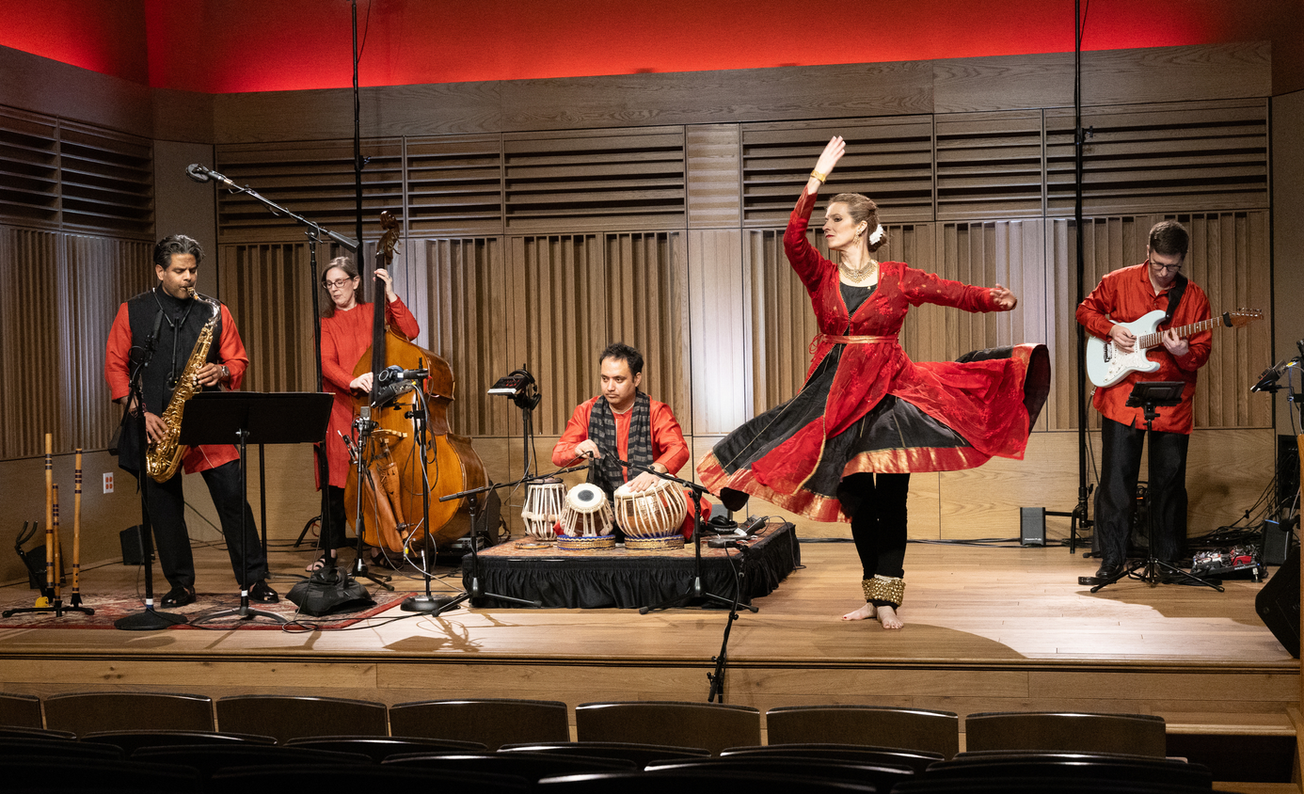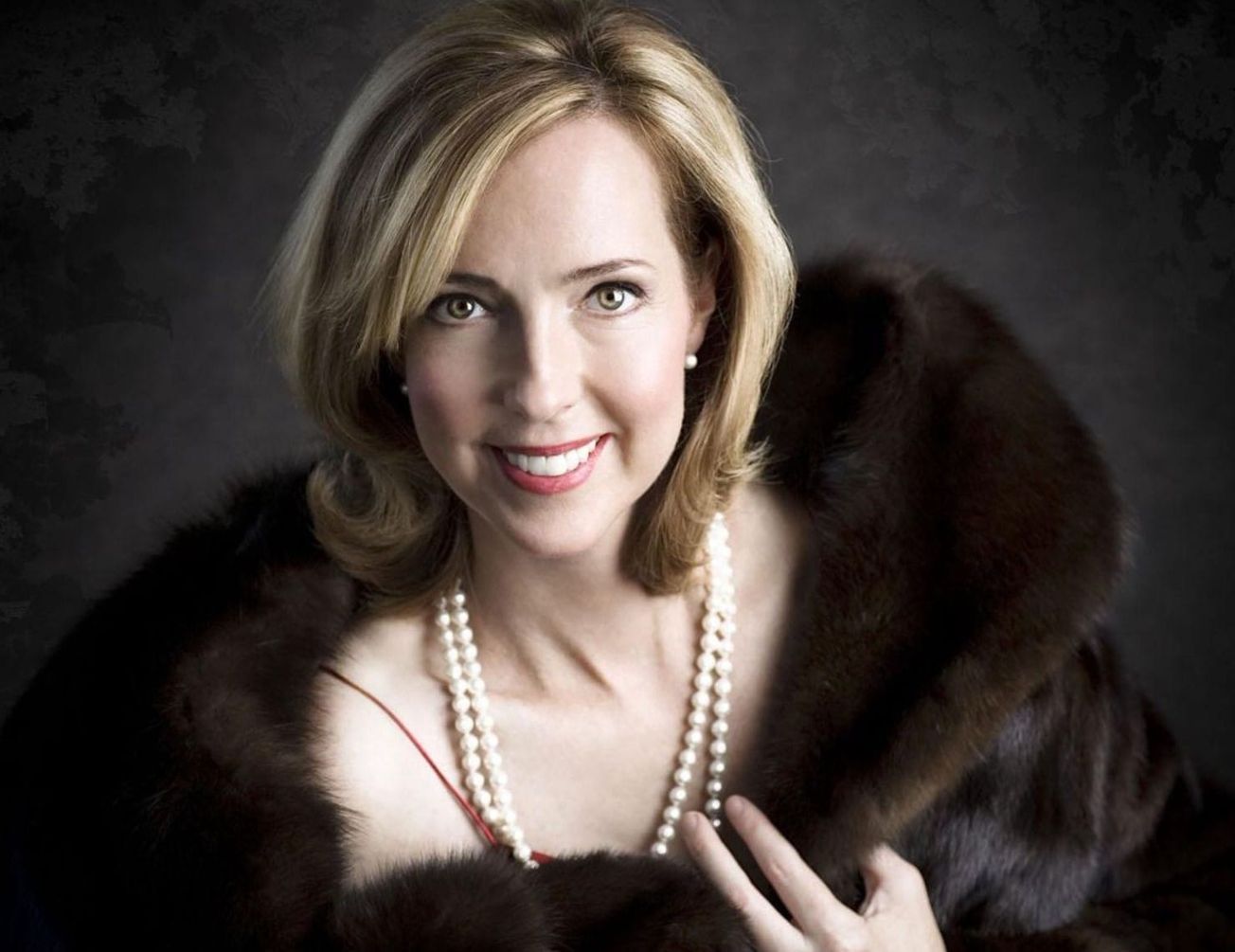
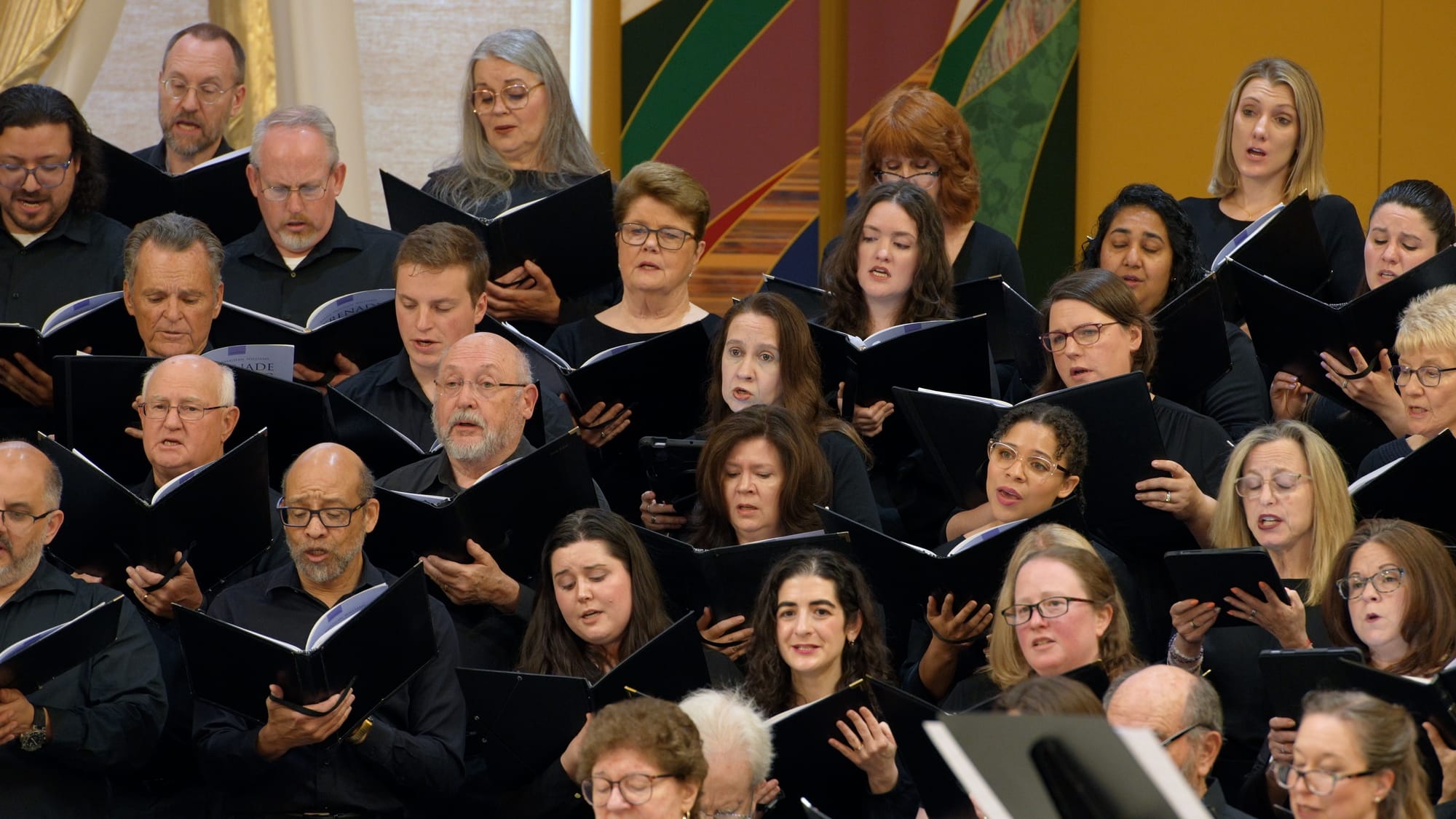
It will take 27 orchestral musicians, a choir of more than 130 plus four distinguished vocal soloists to perform a work described by Bay Atlantic Symphony Music Director Jed Gaylin as “intimate.”
But Gaylin says it’s not a contradiction that a stage packed with performers can create an intimate experience. “It’s the emotional depth of Wolfgang Amadeus Mozart’s Requiem that allows performers and listeners alike to connect with the music on a very personal basis,” he said.
Mozart wrote much of the work shortly before his death at age 35, leaving it to one of his students to complete the powerful Mass composition. Gaylin believes Mozart was having a “deeply personal conversation with God” through the Requiem. “It makes the piece in performance perhaps less theatrical, but all the more intimate, more personal and therefore even more expressive.”
It is Gaylin’s role to harness the musical resources to turn notes on the page into the musical expression Mozart envisioned. He has conducted the piece several times and finds new meaning with each performance.
“The last time Bay Atlantic Symphony played this we had a rehearsal a week after my father’s death. My father was a Mozart buff and leading the Requiem helped me so much to process his death.” Still, with each performance and each set of collaborators, the work will be distinctive. “I have yet to take on a big piece like this where it doesn’t feel different each time,” he said.
A Soloist’s Preparation for Performing
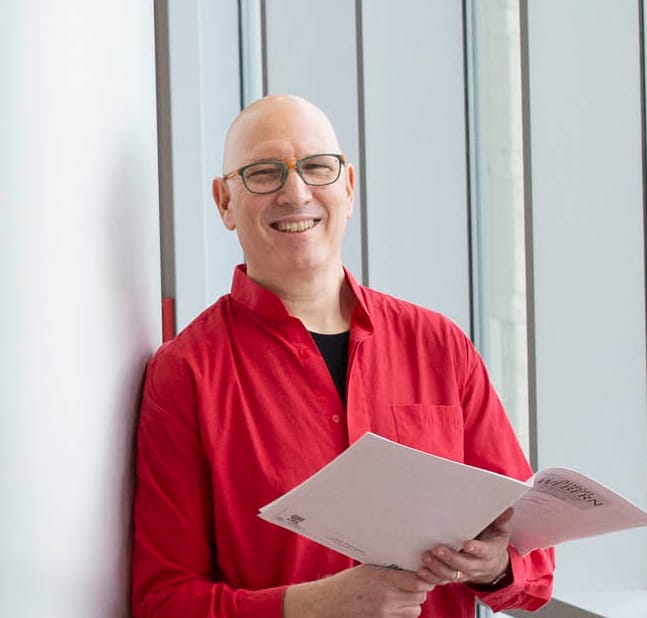
Soprano Soloist Jennifer Cabot is one of the musicians adding her voice to the conversation. While she has had a distinguished teaching, coaching and performing career, this will be Cabot’s first professional appearance in the Mozart Requiem. “It’s up there with his most beautiful vocal writing,” she said. In the weeks leading to the Concert she will review – word by word – the meaning, phrasing and Latin pronunciation of the text. Only then will Cabot begin to rehearse her singing.
“It’s normal that we don’t meet the other soloists until the day before the Concert, so I will sometimes play the other lines (Mezzo, Tenor and Bass) on the piano.” Cabot said that composers vary in their use of the different voices. “In Beethoven’s Symphony No. 9, for example, Mozart favored the bass. In this piece, the Soprano is highlighted a little more. So, I have a big responsibility!”
Why “Requiem” is perfect for Mozart Fanatics and Novices
A Requiem was a common task for composers, with Giuseppe Verdi, Hector Berlioz and many others providing their interpretations of the Catholic Mass music for the deceased. Mozart’s version is one of the most widely performed and recorded.
“Those who know it don’t tire of it — they hear something new in it,” said Gaylin. “People hearing it for first time hear personal power and perhaps Mozart’s plea to God for salvation.”
Cabot encourages audience members to appreciate how much Mozart loved the voice. “It’s always beautiful even when it’s sad or gritty,” she said.
Gaylin said Mozart composed the Requiem at the same time he was finishing The Magic Flute. “Mozart could write cheerful music when he was most desperate and desperate music when he was in a good frame of mind,” Gaylin said.
The program also includes Mozart’s Symphony No. 39, one of his final three symphonies written in a six-week period. According to Gaylin, they are each considered to be among the most compelling and complete symphonies ever to be penned
“Mozart Mania!” is performed Friday, October 30 at 7 p.m. at Rowan College of South Jersey in Vineland and Sunday, November 1 at 2 p.m. at Stockton University in Galloway Township. For additional information and to purchase subscriptions and single tickets, visit bayatlanticsymphony.org.