By Michael Cagno & Andy Urban
NJ Monuments to Migration and Labor is a transformative three-year statewide initiative dedicated to honoring the vital contributions of immigrants and migrants as laborers in shaping the state of New Jersey. Funded by the Mellon Foundation and led by Andy Urban, Associate Professor of American Studies & History at Rutgers University, the project is organized by geographical regions in the state: north, central, and south. Monument installations and art, along with place-based public dialogues, engagements, performances, and programs, provide an opportunity for immigrant and migrant stakeholders to take the lead in determining how their contributions should be commemorated. The goal is to change narratives and perspectives as the project confronts the hostility and exclusion that groups migrating for work have historically encountered. For the past eighteen months, community dialogues have occurred throughout the state. In the South Jersey region, these dialogues provided an opportunity for local artists to translate participants' narratives into visual works of art. Partnering cultural institutions in the southern region include the Seabrook Educational and Cultural Center, Bayshore Center at Bivalve, Wheaton Arts, and Gallery 50, with the Noyes Museum of Art at Stockton University serving as the curatorial project leader.
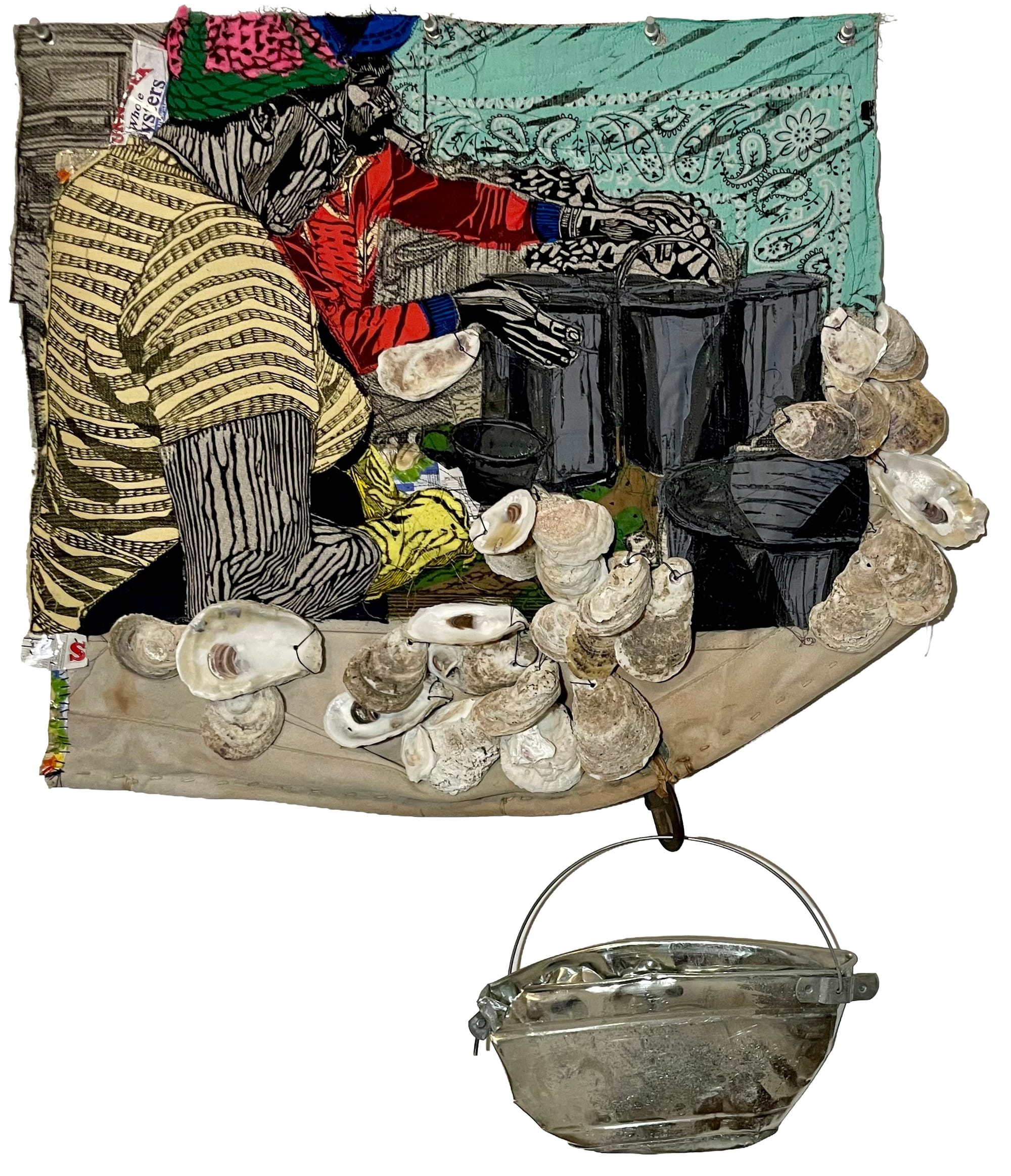
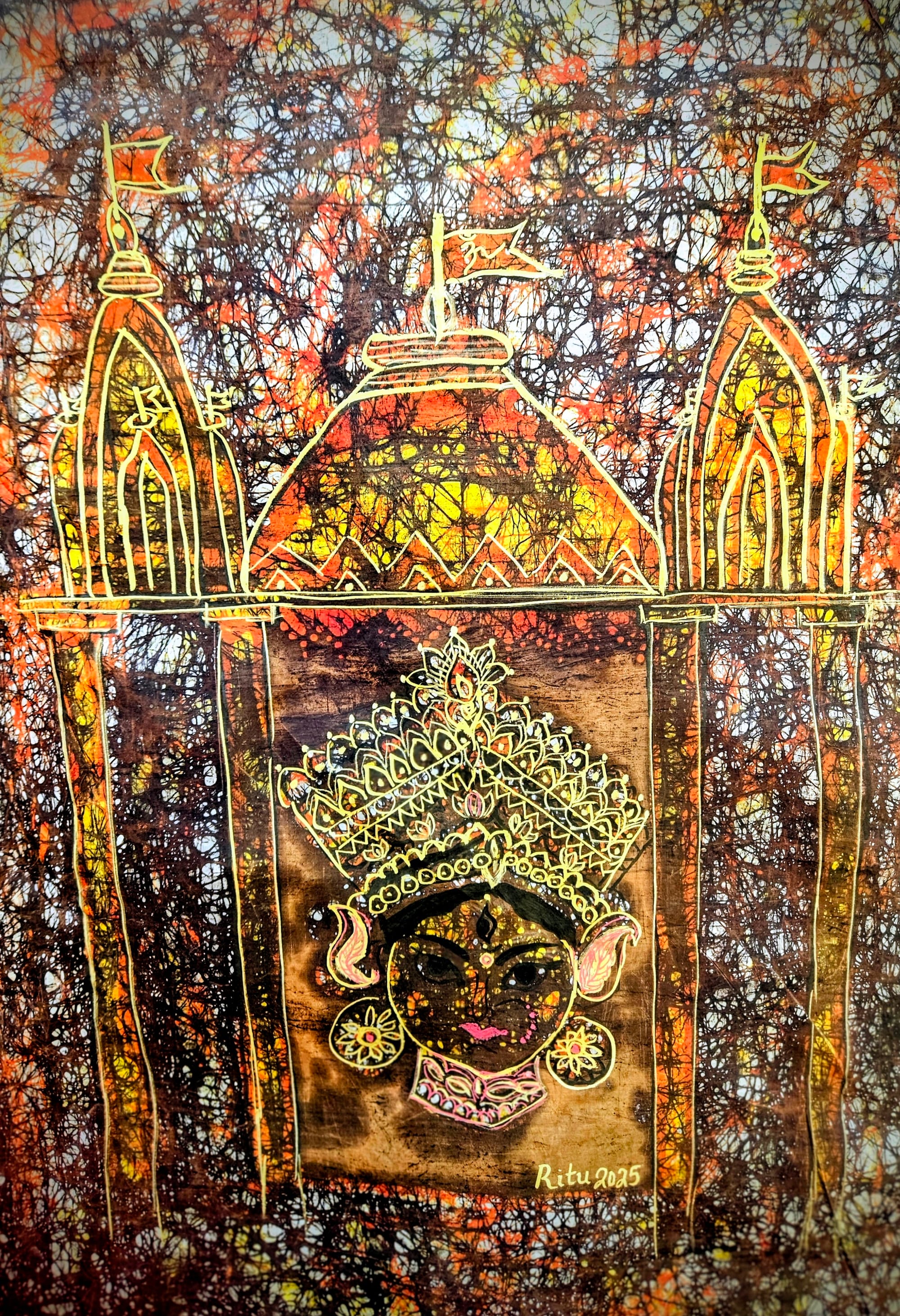
Krystle Lemonias, Shucking I, Sewing, found objects, woodblock relief printing and Ritu Pandya Shakti, Homecoming and Union, Batik on silk
An example of such gatherings included the Bayshore Center at Bivalve, Flagship: Monument on the Move. The community engagement event invited participants to help shape a new mobile public monument celebrating the stories of migration and labor in South Jersey. The selected public artist, Immanuel Oni, led interactive activities including storytelling, flag-making, and place-based art that explored identity, heritage, community values, and the evolution of traditions. The event encouraged participants to reimagine monuments as living, collaborative works that honor resilience, family legacy, and cultural pride while contributing ideas, symbols, and stories that will help guide the design and future journey of the monument across South Jersey. From these community dialogues, an exhibition was curated as an accumulation of the regional artists whose work reflected themes of migration, labor, and cultural identity, to honor the histories and contributions of immigrant and migrant laborers across New Jersey. The exhibition featured the following artists: Aislinn Pentecost-Farren, Alicia Saadi, Chanelle René, Chung-Fan Chang, Diane Rogers, Jacqueline Sandro Greenwell, Jonathan Yubi, Kandice Fields, Keith I. Wasserman, Kevin Quigley, Krystle Lemonias, Nadïne LaFond, Nastassia Davis, and Ritu Pandya.
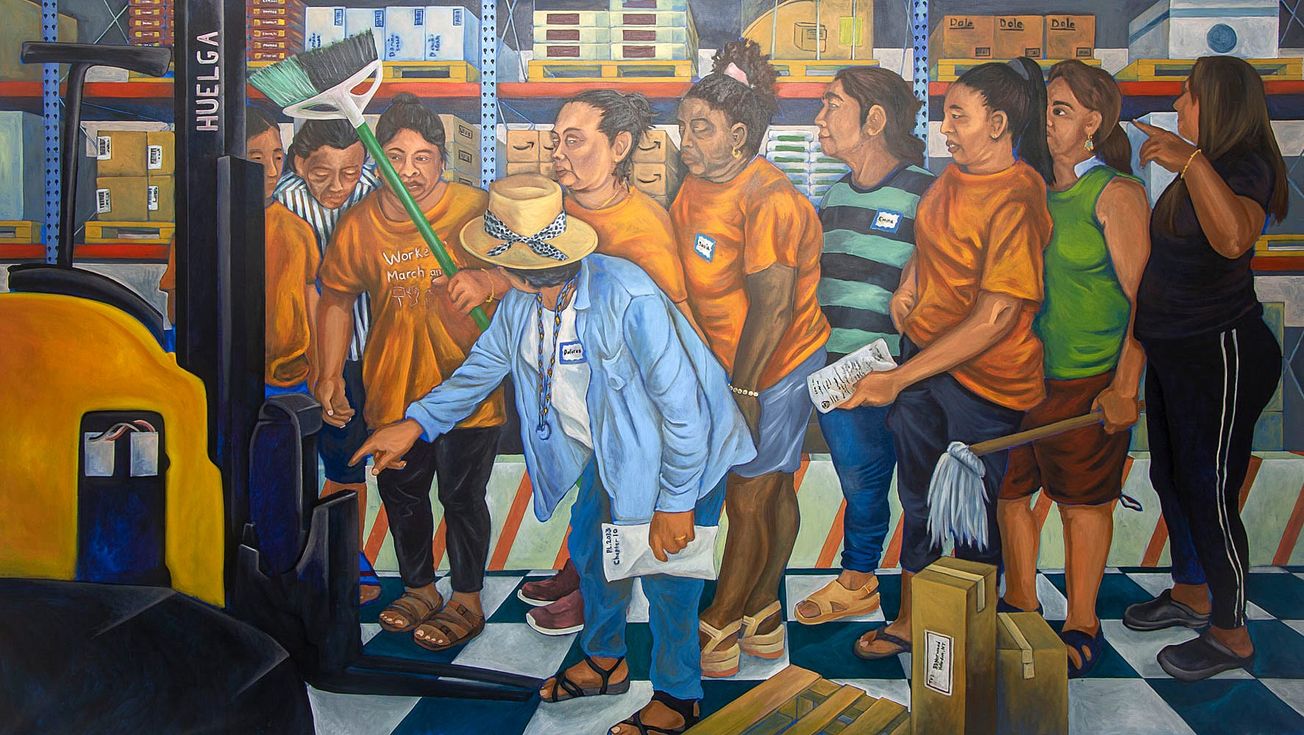
Artist Jonathan Yubi’s large oil painting, La Marcha de Octubre, reimagines the Women’s March on Versailles (1789) within a modern warehouse, centering the strength of immigrant women laborers. A group of workers gathers in solidarity, their orange shirts evoking both visibility and unity. The central figure holds a document marked PL 2023 Chapter 10, referencing New Jersey’s law protecting temporary workers’ rights. Name tags link three women to historic Latina labor activists, bridging past and present struggles. Surrounding shelves bear corporate packages, a reminder of the industries dependent on precarious labor. With brooms and mops raised as symbols of resistance, the women stand poised for collective action. Artist Krystle Lemonias created a tapestry, Shucking I, Sewing, using formal and intuitive processes with interdisciplinary techniques of gathering found objects, relief printmaking, and applique sewing. Lemonias stitched together intersecting themes of their stories. These pieces celebrate the history of Black migrants who seasonally shucked oysters in the Port Norris area. With an image reference from the Library of Congress, she constructed the tapestry using clothes collected from community events, scrap fabric, a bucket, oyster packaging, sail, and shells from Bayshore Center at Bivalve. Artist Ritu Pandya, created a batik on silk depicting Goddess Durga as Shakti, the divine feminine energy, enshrined within a temple built intentionally for her. The temple form glows with layered color and rhythmic pattern, evoking permanence, devotion, and collective effort. Durga’s presence represents strength, protection, and generative power, the force that sustains life and community.
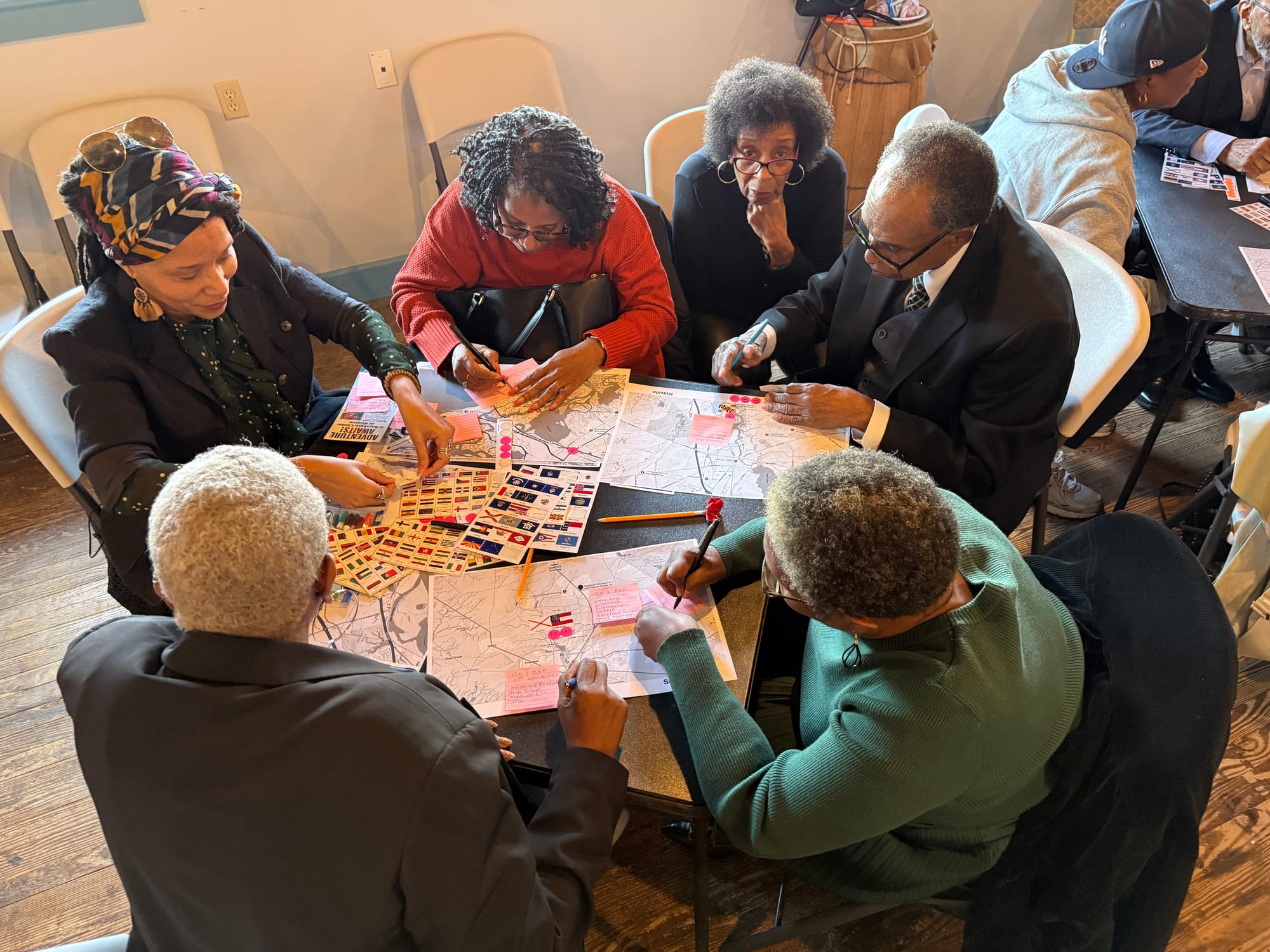
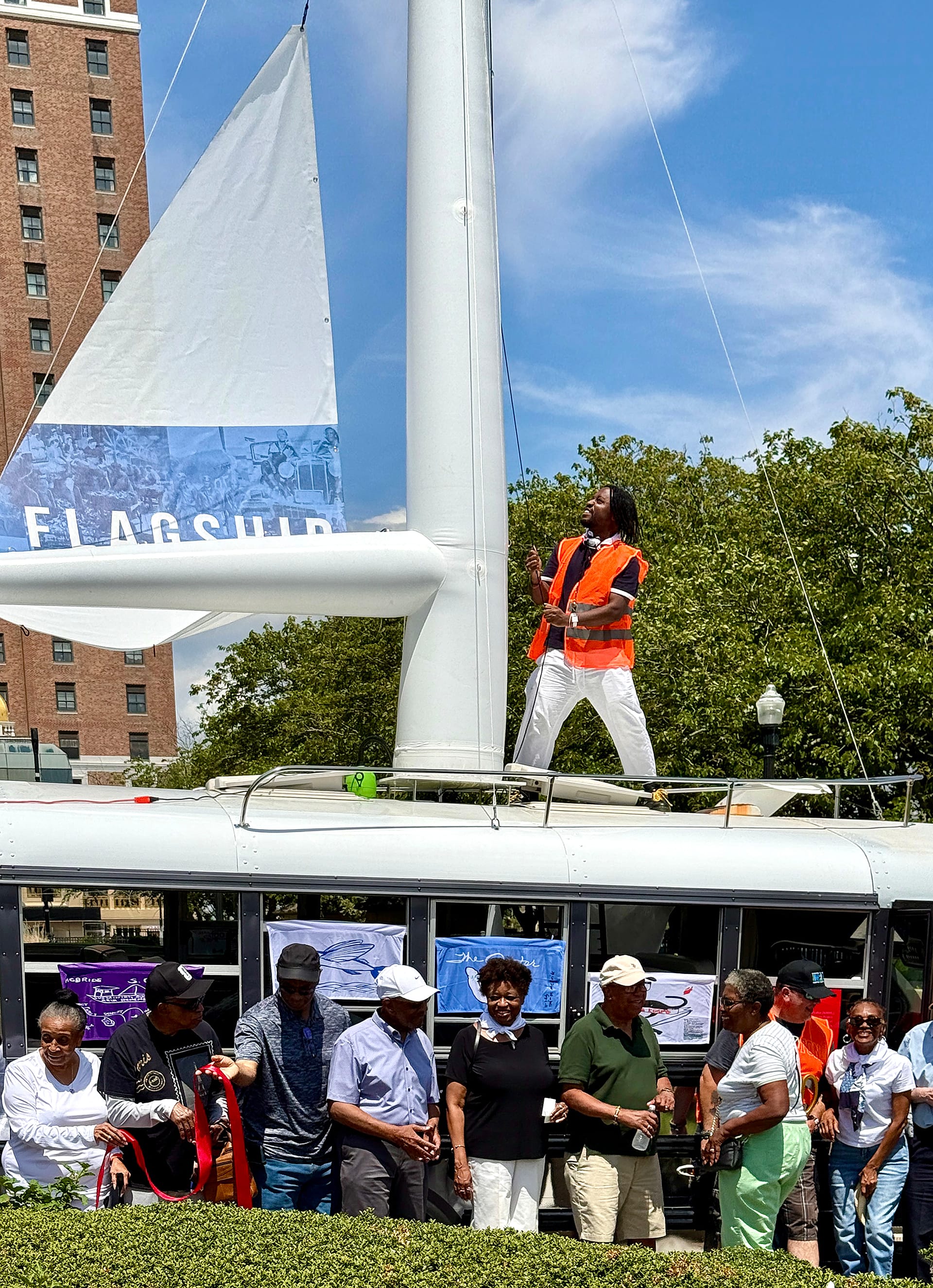
Bayshore Center at Bivalve, Dialogue and Sailbus, Oni raising the sail
Immanuel Oni currently lives in Brooklyn by way of Houston and is originally from Nigeria, has gained inspiration from the dialogues to launch Flagship, a new mobile art monument. At the heart of the project is the Sailbus, a transformed school bus honoring the journeys of migrant farmworkers and Japanese Americans who traveled to South Jersey for work, with its ribbon-cutting that occurred on August 1st in Atlantic City. Featuring reflective surfaces, community-designed legacy flags, audio stories, video installations, and interactive activities, the mobile monument celebrates the histories and contributions of immigrant and migrant labor communities while inviting public participation and dialogue. Flagship is one of three statewide monuments that reimagine public memorials as spaces for learning, reflection, and community connection, highlighting how migration and labor have shaped New Jersey's history and identity. This fall, the Sailbus will be on view at Seabrook Farms on September 18th, the 48 Blocks Festival in Atlantic City on September 19th, Wheaton Arts on September 23 through October 4th, and Bayshore Center at Bivalve on October 9th and 10th. For more information about NJ Monuments to Migration and Labor, visit njmml.com.