By Robin Stoloff
There was a time when getting older meant bracing for memory loss as something we simply had to accept. That's changing fast.
I spend a lot of time talking with doctors and researchers for my radio show and this column, and I can tell you that the mood among them right now is optimistic, especially when it comes to the brain. The conversation has shifted from simply treating dementia after it shows up to catching it, and even heading it off, years before it does. So, let's look at what's new in brain health, and what it might mean for you or someone you love.
I'll admit it, every time I misplace my phone or can't find my keys, or I blank on someone's name mid-conversation, a little voice in my head pipes up: uh oh, is it happening? What is going on with my brain and memory? I know I'm not alone in that. It's one of the most common worries I hear from people my age and older, and honestly, most of the time it's just a busy brain juggling too much, not a sign of something serious. Still, that little jolt of worry is exactly why the research happening right now feels so relevant.
Catching Alzheimer's Before It Starts
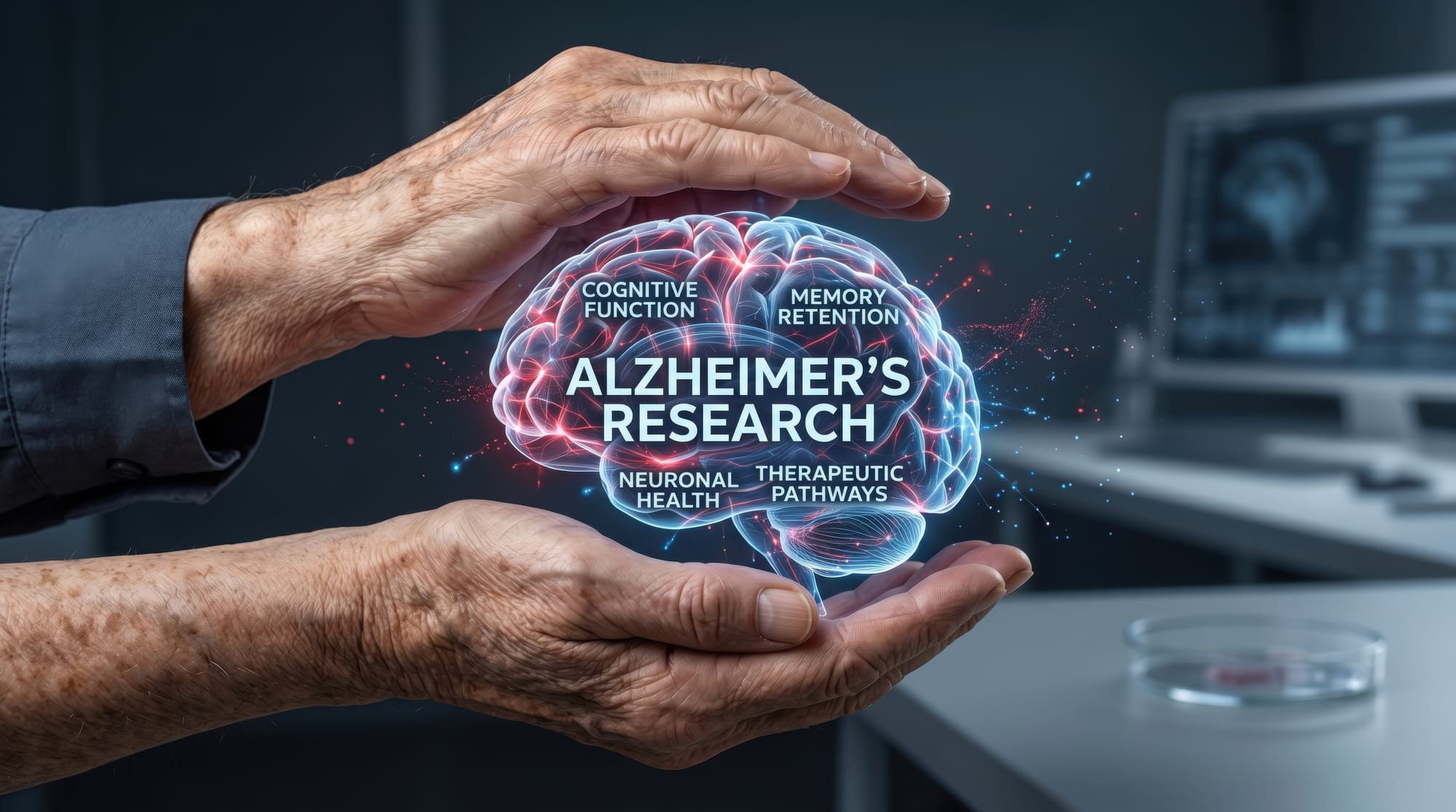
Alzheimer’s research has advanced rapidly in recent years, leading to new treatments and improved ways to detect the disease. For years, confirming the biological signs of Alzheimer’s often required a spinal tap or an expensive PET scan, tests that are not always readily available and can feel daunting to patients. Now, far simpler options are emerging.
One of the most exciting developments is a new blood test that measures a protein called p-tau217, which builds up in the bloodstream when the disease process begins in the brain, long before it shows up as forgetfulness or confusion. The FDA has cleared a version of this test, and researchers say it can estimate when symptoms are likely to begin, sometimes a full decade before any memory changes appear. Recent findings presented at the Alzheimer's Association International Conference took the story further. Older adults with no memory or thinking problems who felt completely fine were tested for p-tau217 levels in their blood. Those with very high levels had a roughly 78 percent chance of developing cognitive impairment within ten years, and even people with only slightly elevated levels carried real risk over the following decade. For families with a history of Alzheimer's in particular, that kind of early information could open the door to planning, lifestyle changes, and treatment options long before a diagnosis would otherwise be possible.
Genetics tell a related piece of this story, written before we were born (see "Know Your Genes"). Here is what researchers want us to understand clearly: carrying a higher-risk gene is not a diagnosis. Diet, exercise, sleep, and how we manage blood pressure and diabetes all play a role in whether that genetic risk turns into disease.
That leads to another shift worth knowing about. A major clinical trial called the AHEAD Study is testing whether starting treatment with an approved Alzheimer's medication in people who are at high risk, but who haven't developed symptoms yet, can delay or even prevent the disease from taking hold. It's early, but the idea of treating Alzheimer's before it starts represents a real shift in how researchers are thinking about the disease. Newer medications like lecanemab and donanemab work best when started early in the disease process, which makes tools like the p-tau217 blood test even more valuable. Catching the disease sooner does not just give families more time to plan; it can also widen the window for treatments designed to work on the brain before too much damage has already been done.
Testing is also becoming easier to access. Companies are developing at-home collection devices, similar to a finger stick test, that can be mailed to a lab and analyzed for p-tau217 levels without a trip to a hospital. Researchers are still validating how well those samples hold up compared to a traditional blood draw, but the direction is clear. Testing that once required a research hospital is moving toward our kitchen tables. A primary care visit may include a conversation about family history, a simple cognitive screening, and a referral for blood biomarker testing.
It is worth pausing here to say that Alzheimer's, while the most common cause of dementia, is not the only one. Vascular dementia, caused by reduced blood flow to the brain, is the second most common form, often tied to years of unmanaged high blood pressure or a prior stroke. Lewy body dementia and frontotemporal dementia are less familiar names, but together they affect hundreds of thousands of American families, sometimes showing up first as changes in personality, sleep, or movement rather than memory. The new blood tests making headlines are specific to Alzheimer's biology. However, a result, positive or negative, should never replace a full evaluation with a neurologist. What these tools offer is a faster, less invasive first step toward real answers, which can make an enormous difference for those at risk.
None of this new science replaces the basics, which remain some of the most powerful tools we have for protecting our brains. Researchers continue to find that people who are more physically active in midlife have significantly lower rates of dementia later on. Sleep, social connection, and even treating hearing loss have also been linked to a lower risk of cognitive decline.
The same is true for managing heart health, blood sugar, and cholesterol earlier in life. Those efforts can pay real dividends for brain health decades later, because the blood vessels that nourish the brain are just as vulnerable to damage as those that supply the heart.
Interestingly, some of the other medical breakthroughs making news lately circle back to the brain as well. GLP-1 medications like semaglutide, originally developed for diabetes and weight loss, are now being studied for their effect on inflammation throughout the body, including the brain, and researchers are watching closely for early signals about whether that translates into any protective effect against cognitive decline. Similarly, new tests that measure our biological age using a blood or saliva sample are beginning to offer brain-specific versions, aiming to tell us not just how our heart or kidneys are aging, but how our brain is aging too.
Do We Want To Know?
If a blood test or a genetic panel could tell us today that we carry a heightened risk for a disease that might not show up for ten years, would we want to know? That is not a rhetorical question, and doctors and ethicists are actively debating it. Some people find that knowledge is power, that a decade of advance notice gives them time to get finances in order, have honest conversations with their children, and double down on the habits that research shows can delay or reduce risk. Others find that carrying that knowledge for years, without a cure to act on, creates a weight they would rather not bear. There is no wrong answer here. What matters is that we finally have a choice to make, which is more than families had even five years ago.
So, the next time we misplace our keys, let’s keep in mind that it might simply be a busy morning. When it becomes a pattern that worries us or someone we love, we now have better tools than ever to ask the question and get a real answer.
Robin Stoloff is one of New Jersey's most trusted voices in health journalism. A former TV reporter, she now hosts Living Well with Robin Stoloff, Sunday mornings on Lite 96.9 WFPG. "Empowering you to live a healthier life" is not just her tagline, it is her mission. Follow her on Facebook, Instagram and YouTube at "Living Well with Robin Stoloff."
You can find Robins Youtube channel here:https://www.youtube.com/@livingwellwithrobinstoloff