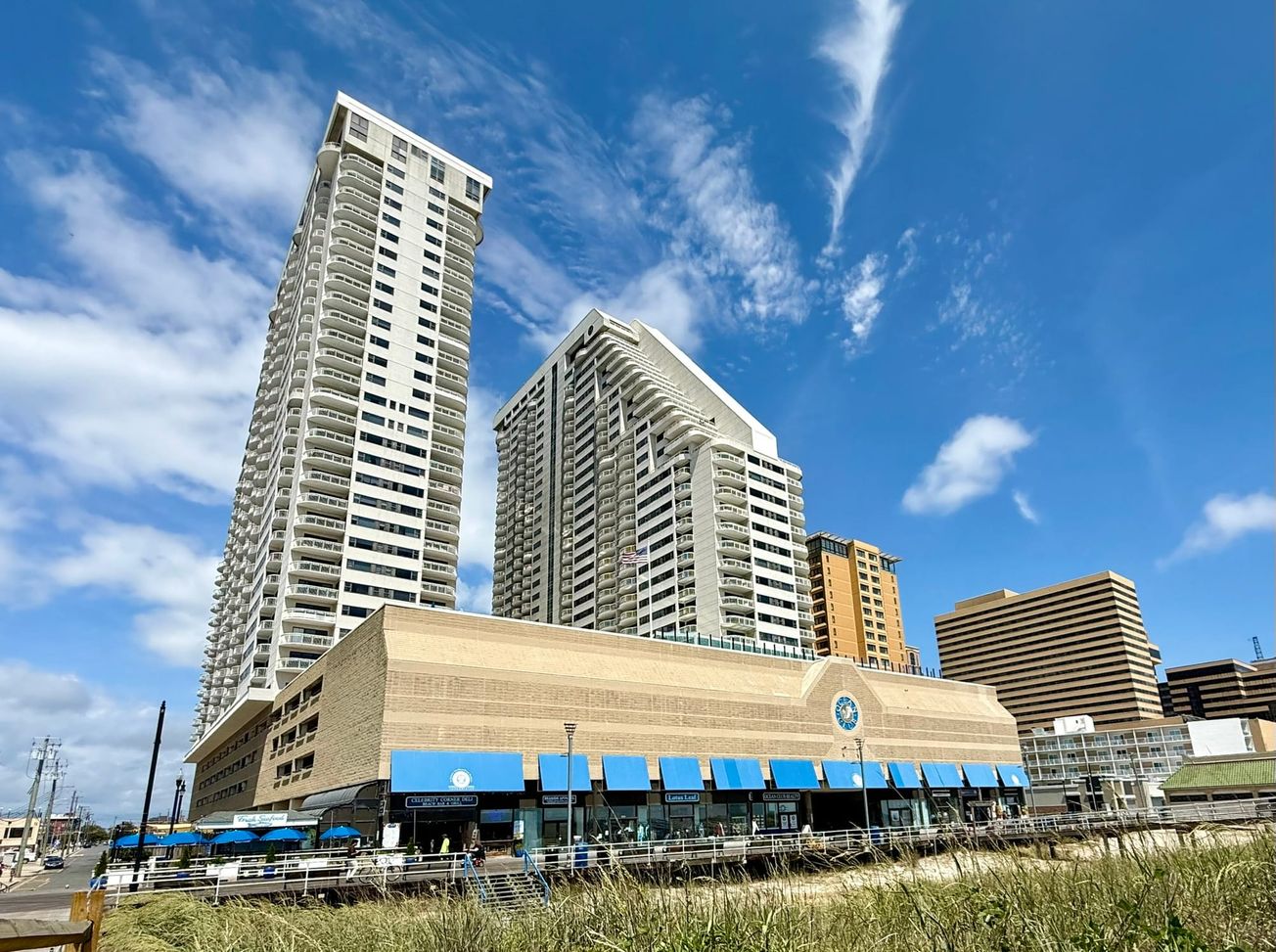
What Jersey Shore condo owners should know before renovating.
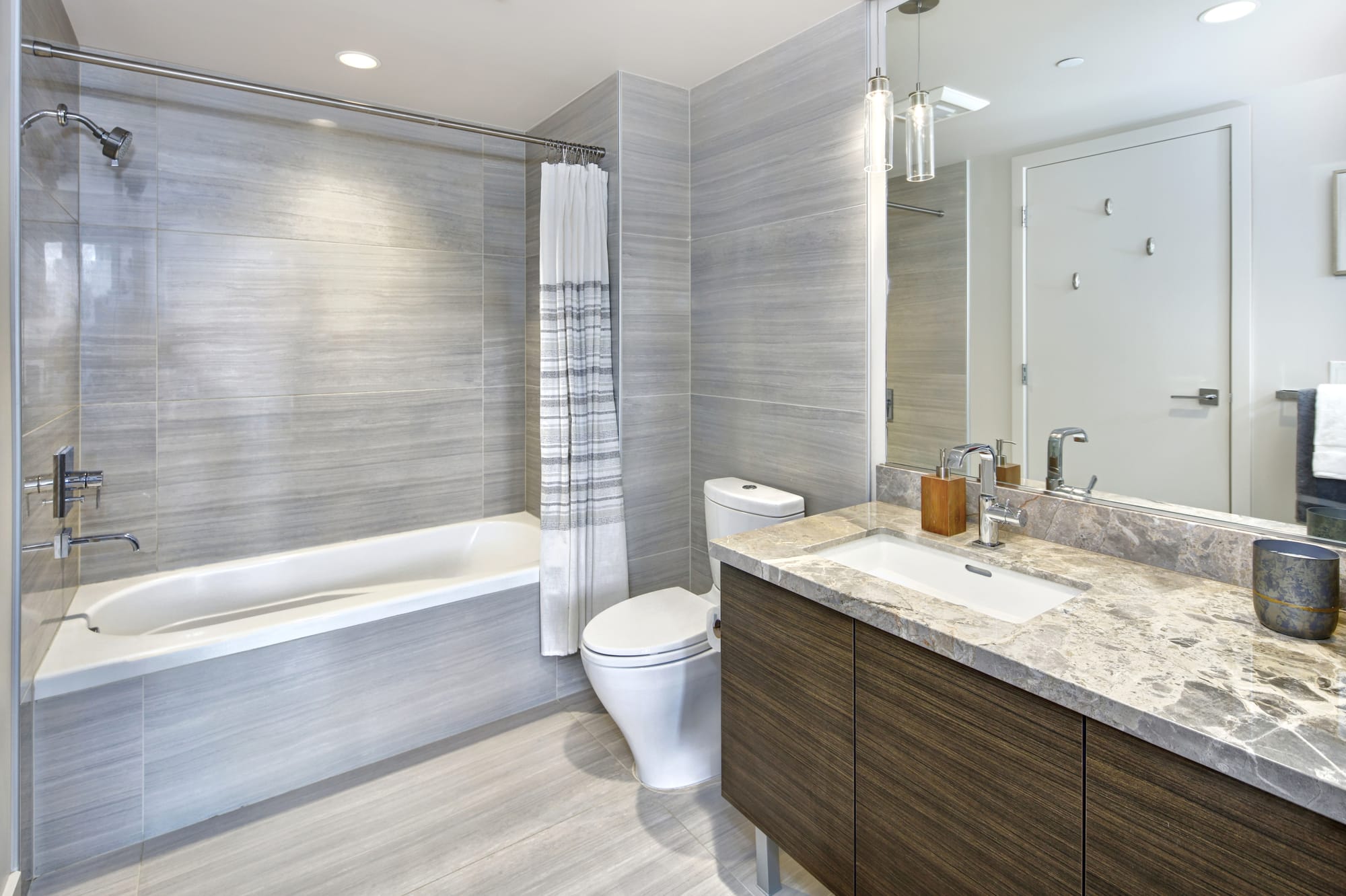
Renovating a condominium along the Jersey Shore can be exciting — new kitchens, updated baths and interiors designed to take full advantage of life by the coast. But renovating 20, 30 or 40 stories above the ground presents challenges most homeowners never encounter. Lifestyle reached out to Boardwalk Renovations, a company experienced in Jersey Shore high-rise construction, to find out what owners should know before getting started.
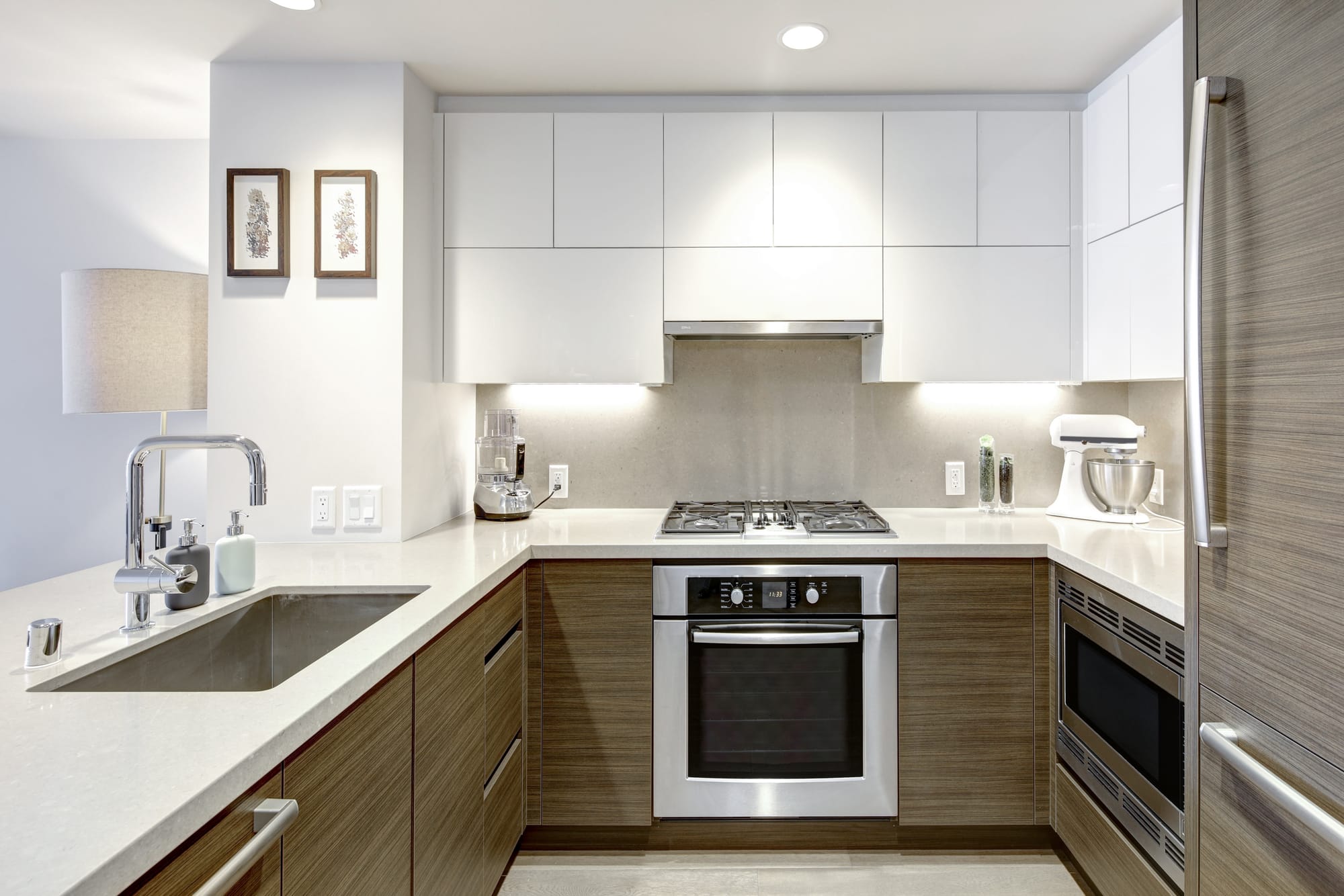
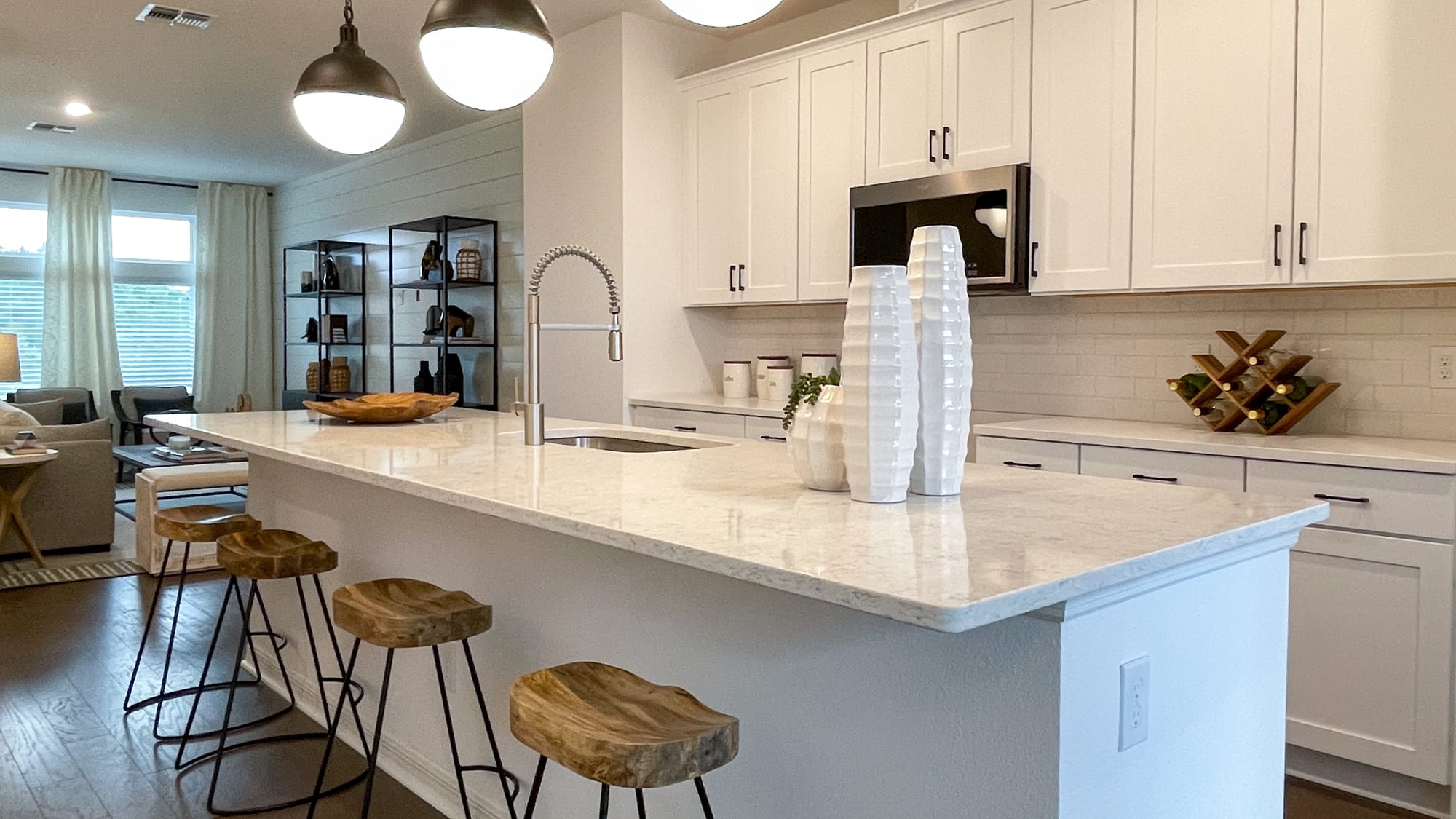
At first glance, renovating a condominium kitchen shouldn't be much different from renovating one in a single-family home. There are cabinets to remove, countertops to replace, appliances to install and plenty of decisions to make along the way.
But put that kitchen on the 30th floor of a Jersey Shore high-rise and the equation changes considerably.
Boardwalk Renovations sees those differences every day. With extensive experience renovating Jersey Shore condominiums, the company has developed a firsthand understanding of the planning, coordination and logistics that come with working in high-rise buildings.
The Elevator Changes Everything
One of the biggest differences starts before the contractor ever reaches the condominium.
At a traditional home, workers can typically park nearby, unload their equipment and get started. In a high-rise, contractors may have to coordinate loading areas, building access, service elevators and approved construction hours.
Even something as straightforward as delivering a new countertop requires planning. Cabinets, appliances, shower panels and oversized materials have to fit through loading entrances, corridors, elevators and doorways.
And those elevators aren't always waiting.
Workers may spend additional time each day signing in, transporting equipment and waiting for elevators. Over the course of a multi-week project, those seemingly small delays add up.
It's one reason homeowners shouldn't necessarily compare the cost of renovating a condominium directly with renovating a similarly sized house. The cabinets and tile may cost exactly the same. Getting them to the job site may not.
What Goes Up Must Come Down
Then there's demolition.
Anyone who has renovated a kitchen or bathroom knows how quickly a pile of debris can grow. Cabinets, drywall, tile, flooring, countertops and old fixtures all have to go somewhere.
At a house, a dumpster might be sitting just outside the door. In a high-rise, everything has to make the trip downstairs.
Debris must be moved through approved common areas, transported by service elevator and loaded into a vehicle. For Atlantic City projects requiring disposal, construction debris must then be taken to the appropriate Atlantic County Utilities Authority disposal facility.
Larger renovations can require multiple disposal trips, adding labor, transportation, fuel and disposal costs.
It's an expense homeowners rarely see — because by the time they return to their newly renovated condominium, all evidence of demolition has disappeared.
Not Every Contractor Can Work There
Another surprise for some owners is that the contractor who renovated their primary residence may not necessarily qualify to renovate their Shore condominium.
Many condominium associations maintain specific insurance and administrative requirements for contractors working inside their buildings. These can include substantial general liability coverage, workers' compensation and automobile insurance, as well as certificates naming the association or management company as additional insureds.
Buildings may also regulate working hours, noise, deliveries, elevator use, permits and protection of common areas.
That means high-rise renovation requires more than construction experience. A contractor also needs to understand how condominium buildings operate.
Managing a Renovation From Miles Away
There's another characteristic unique to the Shore: many condominium owners don't live here year-round.
They may be several hours away — or several states away — while their renovation is underway. That makes communication particularly important.
We asked Jim O'Neill of Boardwalk Renovations how his company manages projects when the homeowner can't regularly visit the property.
“I'm very hands-on with our projects and work closely with our team to keep homeowners updated,” says O'Neill. “We use photos, video and FaceTime to show progress, while coordinating with building management on scheduling, access and deliveries. It keeps the homeowner connected even when they're miles away.”
Boardwalk Renovations also incorporates digital and AI-assisted tools into project organization, planning, communication and design concepts.
The result is an interesting combination of old-fashioned personal service and modern technology. An owner doesn't necessarily have to drive two hours to see what's behind a newly opened wall. A FaceTime call can put them virtually inside the room in seconds.
Expect the Unexpected
That can become particularly valuable when renovating an older Shore property.
Many Jersey Shore high-rises have spent decades exposed to salt air, moisture, wind and changing temperatures. Once cabinets, walls or flooring are removed, contractors can encounter conditions that weren't visible during the initial inspection.
Aging plumbing, electrical issues, corrosion, water damage and evidence of previous renovations aren't necessarily unusual in older buildings.
When those surprises occur, documentation and communication become critical. The homeowner should be able to see what was discovered, understand the available options and approve how the contractor proceeds.
The Building Is Part of the Renovation
Perhaps the biggest takeaway for condo owners is that a high-rise renovation doesn't begin and end at their front door.
Elevators, hallways, loading areas and other common spaces are part of the project, too. They need to be protected and kept clean, all while hundreds of other residents may be going about their daily lives just a few feet away.
For Boardwalk Renovations, that's familiar territory. With its offices located within a major residential high-rise, the company works in the same environment in which many of its clients live.
And that's an important consideration when selecting a contractor.
A beautiful kitchen or bathroom may be the ultimate goal, but successfully renovating a Jersey Shore high-rise requires something homeowners won't see in the finished photographs: an understanding of everything it takes to get there.

For more information about Boardwalk Renovations and its condominium renovation services, visit boardwalkreno.com or call Jim directly at (609) 517-6242 to discuss your next Jersey Shore renovation project.