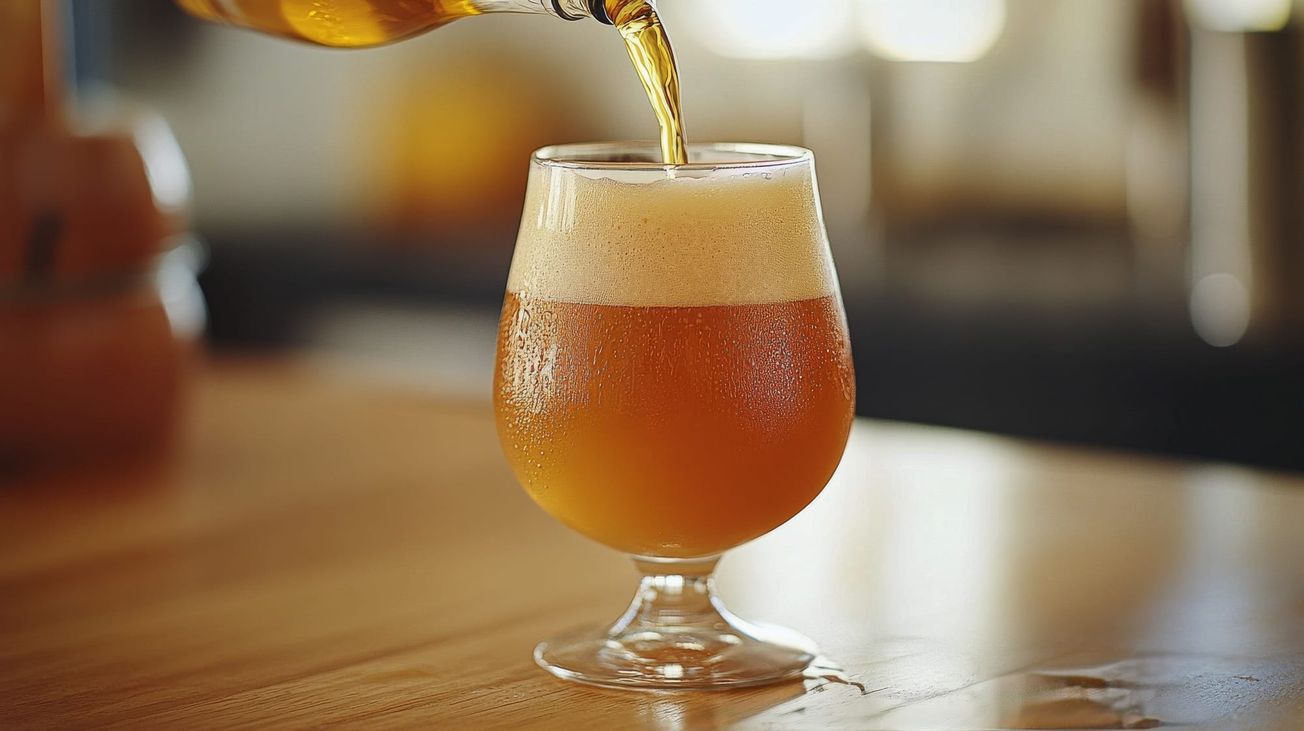
Not terribly long ago, I recall dining out at a restaurant with a decent craft beer menu. I opted for a big, bold double IPA, Sierra Nevada’s “Hazy Little Thing.” This style certainly is not for everyone. In fact, I once heard it described as “battery acid.”
I’ve heard every anti-IPA take imaginable: too bitter, too harsh, too…pretentious. Which is funny, considering IPAs practically run the American craft beer scene. Try finding a brewery that doesn’t make one—I’ll wait.
So why all the hate?
According to Nate Lanier of Tree House Brewing Company, it’s not that people don’t like IPAs—it’s that they haven’t had the right one yet.
And honestly, that tracks.
Unlike wine, beer doesn’t have tight stylistic guardrails, which means one IPA can taste wildly different from another. Add in less-than-ideal storage or shipping (warm shelves are +the enemy), and you’ve got a recipe for disappointment. Translation: a bad IPA can ruin your opinion of the whole category.
But here’s the thing—IPAs today are not what they were 20 years ago.
Back in the early days of the craft boom, brewers leaned hard into bitterness. The harsher, the better. It was almost a badge of honor to drink something aggressively piney and palate-wrecking. These days? The game has changed. Modern IPAs are more balanced, more expressive, and way more approachable.
Bitterness, when done right, doesn’t linger like a bad memory—it shows up with notes of citrus, pine, or grapefruit, then politely exits, inviting you back for another sip.
Even better, there’s now an IPA for just about everyone.
· The classic American IPA: balanced, hop-forward, dependable—think Bell’s Two Hearted Ale or Cigar City Jai Alai IPA.
· The old-school West Coast IPA: bold, bitter, piney—hello Stone IPA and Sierra Nevada Torpedo.
· The hazy/New England IPA: juicy, soft, and aromatic—like Sierra Nevada Hazy Little Thing.
· And for those of us who like to live a little dangerously: the double IPA—bigger, boozier, and packed with flavor, like Pliny the Elder.
Saying you don’t like IPAs because you tried one bitter example is like swearing off all red wine after a single sip of pinot noir. There’s a whole world in that glass—you just haven’t explored it yet.
Of course, even the best IPA can fall flat if it’s mishandled. The biggest culprit? Oxygen. Oxidation dulls flavors and introduces that dreaded “cardboard” note—never a good look in a beer.
Your best defense is simple: keep it cold and drink it fresh.
Think of beer like produce. You wouldn’t leave lettuce baking in your car all afternoon, right? Same idea here. Buy from a brewery or trusted shop, refrigerate immediately, and don’t let it sit around for months. A good rule of thumb: check the canning date and aim for freshness within a few weeks to a couple of months.
When it’s finally time to pour, give your IPA a little respect. Use a tulip-shaped glass if you can—it helps concentrate those beautiful aromas—and pour at an angle before straightening the glass to build a nice foamy head. That foam isn’t just for looks; it enhances texture and flavor.
And while storage should be cold, drinking temperature shouldn’t be ice-cold. Let it warm slightly—just a few minutes out of the fridge—and you’ll notice the flavors open up in a big way.
One more thing: keep it out of direct sunlight. UV rays and hops are not friends.
After that, there’s only one rule left—finish the beer.
Seriously. First impressions can be misleading. The real character of an IPA often reveals itself over a full glass. By the last sip, you might find yourself rethinking everything you thought you knew.
And if not? That’s fine too. But at least you gave it a fair shot.
Because at its best, the IPA isn’t just a style—it’s a gateway. It’s the beer that helped spark the craft revolution, pushing drinkers beyond the predictable and into something more adventurous.
So next time you’re staring into a cooler, take a chance. Grab something hoppy. You might hate it.
Or you might just discover your new favorite beer.
To learn more or stay up to date with Gary and his podcast visit : www.beveragechronicles.com