
Have you ever wondered what it feels like to step into the future? Each January, the Consumer Electronics Show transforms Las Vegas into a living portal of what’s next in technology — it’s essentially a preview of the gadgets expected to hit the market in the next year or so. It’s especially eye opening when it comes to how the latest tech will transform the home. From smarter gadgets and AI-powered appliances to connected security and energy systems, CES 2026 redefined the modern household. What once felt like science fiction is quickly becoming everyday reality. After this year’s CES, it’s clear that we are much closer to living in homes like the Jetsons than ever before.
Some of the biggest hits on the show floor this year involved robots, AI-powered home tech, and atmospheric lighting and entertainment. Home robots drew major attention, from autonomous vacuums, like Roborock’s Saros Rover, that can climb stairs to more advanced companion-style robots designed to assist with daily chores. AI-powered home tech also advanced significantly, with smart kitchen appliances that can suggest recipes based on what’s in your fridge, voice assistants that anticipate needs rather than just respond to commands, and security systems capable of distinguishing between familiar faces and potential threats. Meanwhile, atmospheric lighting and entertainment systems expanded the possibilities of the in-home experience, with adaptive lighting that syncs to mood, time of day, or on-screen content, and entertainment setups that create fully immersive environments through sound, light, and even subtle environmental effects. Each of these categories signals a broader shift toward homes that are not just connected but intuitive and individually responsive to the needs of the homeowners.

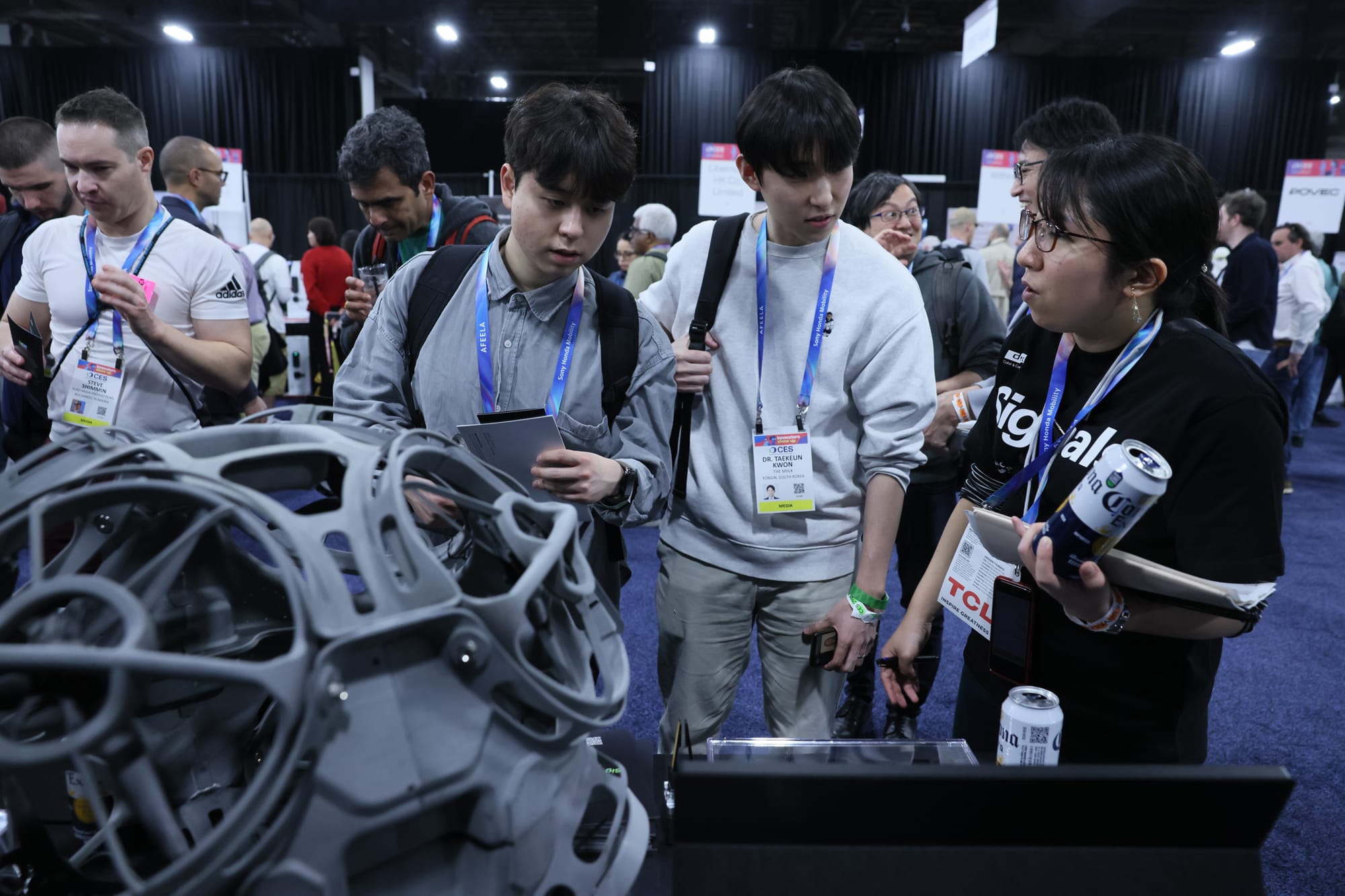
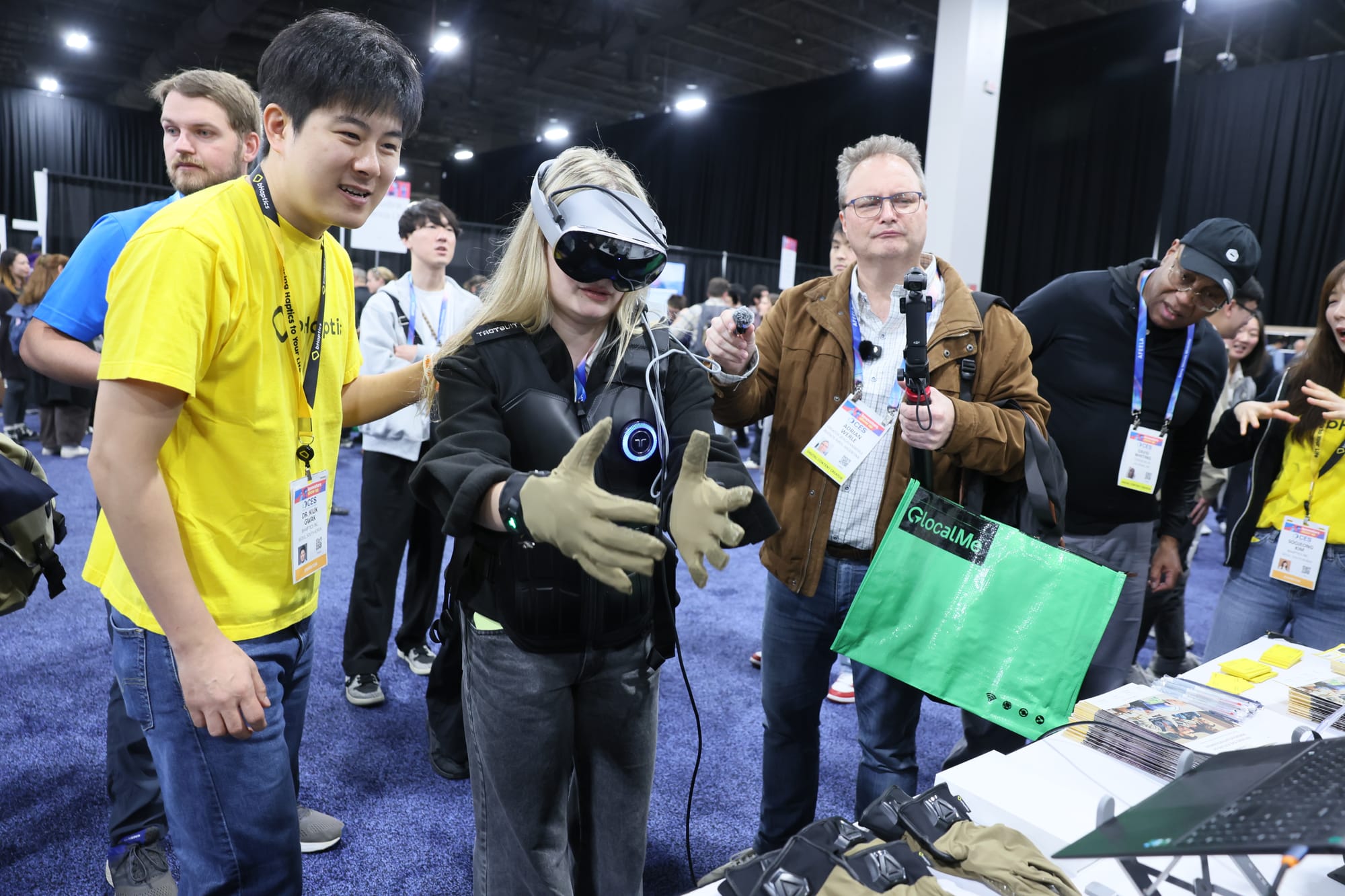
Robots were definitely a main attraction at this year’s show. From a robot you can spar with using boxing gloves to LG’s CLOiD that cleans your house for you, robots are finding their way into our lives in many ways. While not on the market yet, LG’s CLOiD can cook, do laundry, clean dishes, and automate most home chores. As part of LG Electronics’ broader push into AI-driven home ecosystems showcased at CES 2026, CLOiD is designed to integrate with smart appliances and learn household routines over time. So, if you ever wanted your own Rosie the Robot from the Jetsons, you may be able to purchase LG’s version in the near future. While CLOiD is still in the concept and development stage, it reflects the industry’s clear direction toward high-performance intuitive home assistants.
Another leap in intuitive home performance at this year’s Consumer Electronics Show were the newest line of smart kitchen appliances, including innovations from major brands and emerging AI companies. The LG Signature InstaView Refrigerator uses internal cameras and AI to track inventory and expiration dates while suggesting recipes. Similarly, the GE Profile Smart Refrigerator introduced features like a built-in barcode scanning system and an internal camera that identifies what’s inside, syncing with the Instacart app for easy grocery ordering. Taking it a step further, the LG Signature Oven Range uses an internal AI camera to identify more than 85 dishes and automatically select the ideal cooking settings. These technologies highlight a growing shift toward kitchens that not only assist, but actively think, plan, and cook alongside the user.
Homes aren’t just places to cook and clean, after all, they are also places to unwind and entertain. Another big feature at this year’s Consumer Electronics Show was intuitive electronics that adapt to user preferences and mood. Companies like Govee showcased an adaptive lighting ecosystem focused on “system-led” illumination, including advanced products like the Floor Lamp 3 and Ceiling Light Ultra with high-density LED displays, along with AI-powered tools that generate personalized lighting scenes and mimic natural circadian rhythms. Lighting is also evolving beyond ambiance, doubling as a subtle security feature with integrated cameras built directly into fixtures. Meanwhile, Samsung Electronics highlighted how AI can seamlessly manage home environments for both comfort and safety, and LG Electronics introduced a sleek, nearly 9mm-thin “wallpaper” TV that transmits video and audio wirelessly, blending entertainment with design and offering a clean, art-like display when not in use. Together, these innovations show how lighting and entertainment are merging into a more immersive, responsive home experience.
As the innovations showcased at the Consumer Electronics Show 2026 continue to move from concept to reality, the direction of home technology is becoming increasingly clear. The focus is no longer just on convenience, but on creating environments that are intuitive, adaptive, and seamlessly integrated into everyday life. While many of these products are still evolving, the foundation has been set for a future where the home doesn’t just respond to its occupants, it anticipates them.
As the innovations showcased at CES 2026 continue to move from concept to reality, the direction of home technology is becoming increasingly clear. The focus is no longer just on convenience, but on creating environments that are intuitive, adaptive, and seamlessly integrated into everyday life. While many of these products are still evolving, the foundation has been set for a future where the home is an active participant in your lifestyle.