No other sparkling wine in the world has the toasty complexity of Champagne. We too often use the word Champagne for any wine with bubbles in it, when in reality, Champagne comes from only one region in northeastern France. All other wines that have captured the carbon dioxide in the juice are called sparkling wine. Cava is a specific Spanish sparkling wine. Prosecco, a specific Italian sparkling wine.
Most wine drinkers know a number of very large and famous Champagne houses. Alphabetically, most readers of this article know Bollinger, Krug, Lanson, Moët, & Chandon, (pronounced “mwet” by the way; it’s a Dutch name, not “moe ay” as if it were French). You also probably know Mumm, Perrier-Jouet, most likely Pol Roger and Pommery, Louis Roederer, Taittinger, Veuve Clicquot Ponsardin even though we just say, “Veuve Clicquot”, and Nicolas Feuillatte because it’s the ‘best buy’ right now among all the larger Champagne houses.
Many may also know Abele’, Ayala, Boizel, Bruno Paillard, Charles Heidsieck, De Venoge, a personal favorite, Delamotte, Deutz, Gosset, Alfred Gratien, Henriot, Jacquesson, Laurent-Perrier, Montaudon, maybe Pannier, Ruinart, Salon, one of the most expensive and only made in top vintage years, and Vilmart. However, there are quite a few more Champagne produces that are worth seeking out.
What then, is the deepest secret about these Champagnes? The Vintage examples show the date of the harvest. The non-vintage, or NV’s (which really should be labeled as MV’s because they’re a blend of different vintages, multiple vintages as opposed to being non-vintage) seldom tell you when the bottle was disgorged, topped off, known as the dosage stage where they add more clear Champagne to fill the bottle, and lastly fit in the cork.
Dedicated Champagne drinkers like to know when the bottle was disgorged. The longer it rests on the decaying yeast, the toastier it becomes. Late-disgorged wines are more expensive because of all the extra time and labor needed to prepare the bottle for release.
Bollinger stamps the cork with a letter and a number 4B, for example, is February of 2014. On the neck of Bollinger Special Cuve and Rosé are its codes. L14405002 has the first two digits tell the year, 14; next three digits are the number of days into that year: 050 is the 50th day of 2014, the last two digits are for their records.
Delamotte uses cork codes. The year is always inverted, so the A is the first trimester of the year 2016. B would tell its April, May or June, C & D for the final trimesters of the year.
Lanson now prints the disgorgement dates on the back of every cuvée.
Moët & Chandon provide disgorgement date, the blend and what the dosage was on the back label. The code on the front is the batch number and disgorgement year, thus 001,14 is the first batch, disgorged in 2014. Most houses providing this information know they have discriminating customers. The only other code to look for is usually on the very bottom of the front; NM, RM or CM are the codes usually found in the States.
NM is Negociant Manipulant or a very large producer who needs to buy extra grapes. In addition to their own home-grown gapes. RM means grown, produced and bottled by themselves, Recoltant Manipilant. Once Rm Champagnes expand sales, they many times have to change the label from RM to NM. Cooperatives growers us CM. And for you experts, RC is a single grower, grape-made Champagne done at the Cooperatives and SR is for the Society de Recolants which is two or more growers sharing a winery.
You don’t need to know any of this information to enjoy Champagne. I start every restaurant meal, and many times at home, with a sparkling wine and whenever possible, it’s Champagne I share. Any sparkling wine prepares your palate for an enjoyable dining experience.
This featured Champagne-focused listing goes far beyond producer names and cuvées. It decodes what most wine lists ignore entirely: disgorgement dates, bottling timelines, cork codes, labeling practices, and producer disclosure standards. These are the details that determine how a wine actually drinks—its freshness, vitality, and intent—yet they’re rarely explained outside professional circles.
The List
Agrapart
Disgorgement dates aren’t printed on back labels, but they’re easy to decode
from the cork. The number is the year of disgorgement, and the letter is the
month (A for January, B for February, and so on).
Ayala
Disgorgement dates are printed on the back of every bottle. A new web site
boasts particularly informative data sheets on every cuvée.
Bollinger
Disgorgement dates are not stamped on non-vintage bottles (they are on the
vintage wines). Labelling occurs shortly after disgorgement, so the labelling
date provides a good indication. The first two digits of the labelling code on
the neck of Special Cuvée and Rosé are the year and the next three digits are
the number of the day of that year, so L1405002 means the 50th day of 2014.
The letter on the cork is the month of disgorgement and the number is the
year, so 4A is January 2014.
Bruno Paillard
Bruno Paillard was the first in Champagne to publish the disgorgement date on
every bottle — more than controversial when he set out in 1983.
Charles Heidsieck
The back labels of Brut Réserve are now some of the most informative among
champagne houses, detailing bottling and disgorgement dates, base vintage,
proportion of reserve wines and number of crus in the blend. All other Charles
Heidsieck cuvées have recently followed suit.
Delamotte
Disgorgement dates can be decoded from cork codes. The letter is the
trimester and the year is inverted, so A61 denotes the first trimester of 2016.
Egly-Ouriet
Back labels are among Champagne’s most informative, declaring disgorgement
dates, terroirs and number of months on lees. Wines are bottled in July
following harvest, so it’s easy to determine the base vintage.
*Page 90 of John Mahoney’s book: Wine for Intellectuals: NM is Negociant Manipulant; RM is Recoltant Manipilant (grown, produced and bottled by) CM is Cooperative: growers are involved, RC is a single grower, grape-made at the cooperatives; SR is Societe de Recoltants: two or more growers share a winery.
NM Buys grapes & wine to use as their own, usually the very large houses.
Fleury Père & Fils
While disgorgement dates are printed on every bottle, they’re not always easy
to read. Labelling dates are printed much more clearly. Labelling generally
occurs one to six months after disgorgement.
J. Lassalle
The bottling code laser-etched on every cuvée is the disgorgement date.
Jacquesson
Back labels are among the most informative of any champagne house,
shamelessly declaring disgorgement date, dosage, base vintage, blend and
even precise production quantities. There are no secrets here.
Krug
In 2012, Krug introduced an ingenious ID code above the barcode of every
bottle. Using this code, Krug.com and the Krug app reveal the season and
year in which the bottle was shipped, the number of years over which it has
aged, the blend and the vintage story for vintage wines, and the number of
wines and each of the vintages in non-vintage blends. This code also reveals
the disgorgement date on the spot, since the first three digits are the trimester
(first digit) and year (second and third digits) of disgorgement. Recently, a
Twitter robot has been created that will reply with the details when you tweet #Krug ID with the code. In 2016 Krug began printing the edition number on the front label of every Grande Cuvée. Edition 163 is based on the 2007 harvest, the 163rd release in its history. Edition 164 is based on the sublime 2008 season.
Lanson
Lanson is impressive in printing disgorgement dates on the back of every
cuvée and its new website is refreshingly informative, with technical sheets
detailing blends and villages for every cuvée.
Laurent-Perrier
The house fails to disclose disgorgement dates and base vintages on labels,
and also declines to provide this information when requested, though it
is possible to decode the cork codes. The two digits represent the year
(inverted) and the first letter (A–D) is the quarter – so, for instance, A31HO
Was disgorged in the first quarter of 2013.
Louis Roederer
In a fantastic development in disclosure, Louis Roederer’s website and app
now reveal the base vintage, year of bottling and year of disgorgement from
the bottling code of any cuvée. NOT on labels.
Moët & Chandon
Disgorgement date, dosage and blend are clearly displayed on the back label
and etched into the glass under the neck label of vintage cuvées – impressive
detail for a house of this magnitude. The digits on the front label of MCIII are
the batch number and disgorgement year, so 001.14 denotes the first batch,
disgorged in 2014.
Mumm
Mumm now prints bottling and disgorgement dates on the back labels of its de
Crament, Blanc de Blancs and Blanc de Noirs, as well as its Brut Selection for
the French market. The base vintage is the year prior to bottling.
Philipponnat
Some of the most informative back labels of any house declare the date of
disgorgement (since 1997), the blend, barrel maturation and dosage. The
house claims to be the first in Champagne to also indicate the base year of its
blends. An excellent new website adds more informative detail on every cuvée.
Piper-Heidsieck
The back label of Piper-Heidsieck Essential Cuvée Brut NV refreshingly features
back vintage, reserves, dosage and bottling and disgorgement dates.
Pol Roger
The bottling code of Brut Réserve indicates the packaging date, with the first
digit denoting the year, and the next three digits the day of that year.
Salon Not made every year.
Corks are coded with a letter to indicate the semester, and an inverted number
for the year of disgorgement, so A61 is the first trimester of 2016.
Taittinger
Since mid-2014, all cuvées except Comtes de Champagne have boasted a QR
code that reveals the bottling and disgorgement dates. I’m told there’s also a
way to locate this information on the website, but I’ve never been able to find it.
Veuve Clicquot
After much anticipation, I’m delighted Clicquot has introduced QR codes on its
Cave Privées and La Grande Dame, with the hope of rolling these out across its
full range, to reveal disgorgement dates, blends and dosages.
Vilmart & Cie
A new labelling system prints the cépage and disgorgement date on the back of
every bottle.
The Perspective Behind the List
This level of precision and restraint reflects the lifelong work of John J. Mahoney, a wine expert, educator, and author whose influence has been shaped not by hype, but by depth.
Mahoney’s background spans decades of advanced wine education, professional instruction, and authorship. As the founder of the Tri-State Wine College, he has trained students to approach wine analytically—understanding production methods, regulatory structures, and historical context before ever reaching for tasting notes. His technical writing on Champagne disgorgement practices is widely referenced by serious collectors and educators, and portions of that work directly inform this listing .
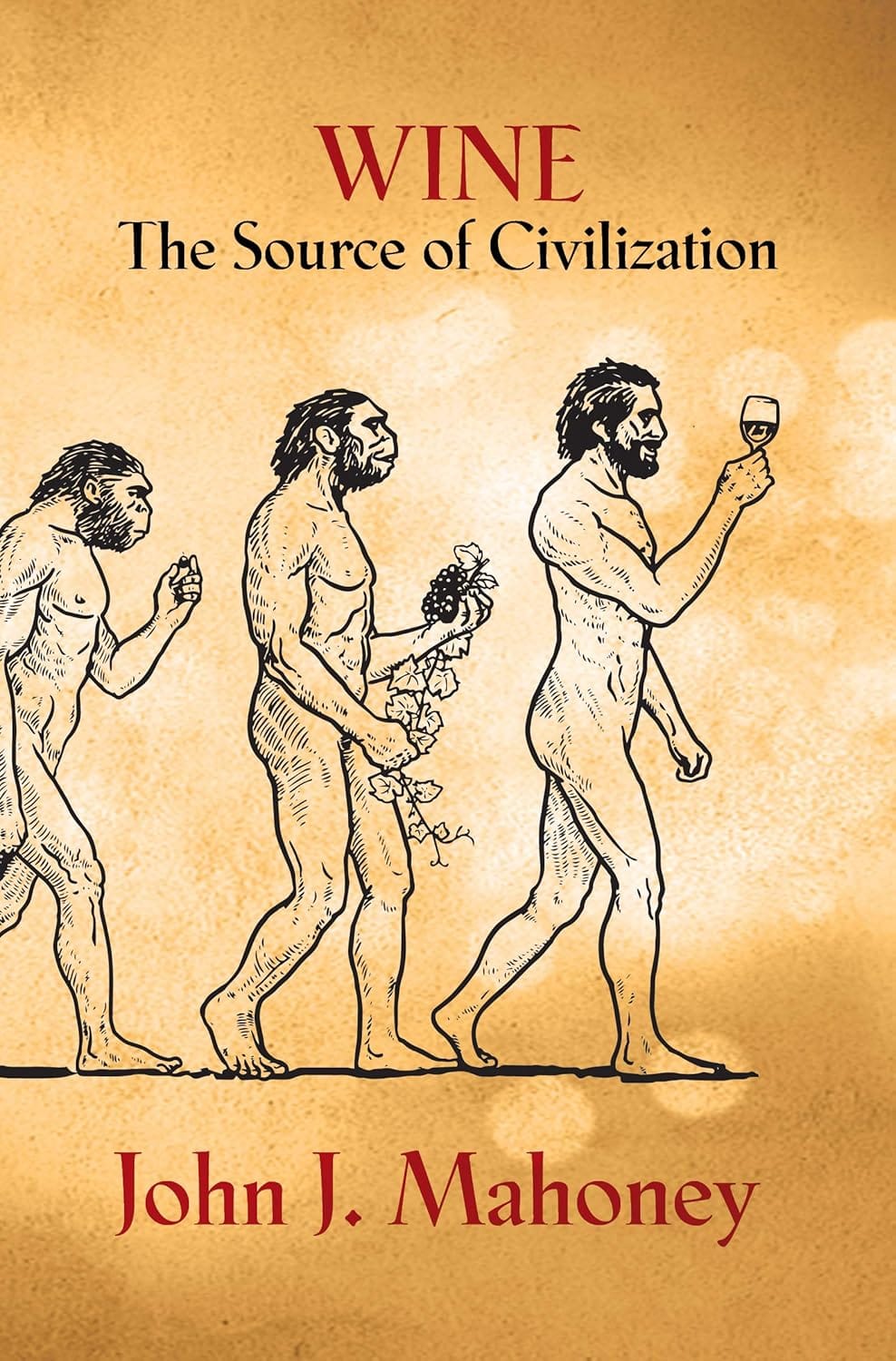
What distinguishes Mahoney is his insistence that wine literacy matters. For him, wine is not about memorizing labels or chasing scores—it’s about understanding time, place, and human decision-making. That philosophy carries through everything he writes, including his broader work on wine as a civilizing force, where he places fermentation, agriculture, and shared ritual at the foundation of culture itself.
This list, much like Mahoney’s teaching, isn’t loud. It doesn’t need to be. Its authority comes from accuracy, experience, and respect for the reader’s intelligence. For those who care not just about what they’re drinking—but why it tastes the way it does—it’s an invaluable resource.
John Mahoney, Ph.D., author of four books of poetry, three novels, and three wine books and written for many magazines. He is Chancellor Emeritus of the Dionysian Society International.
In Vino Veritas.