by John Mahoney
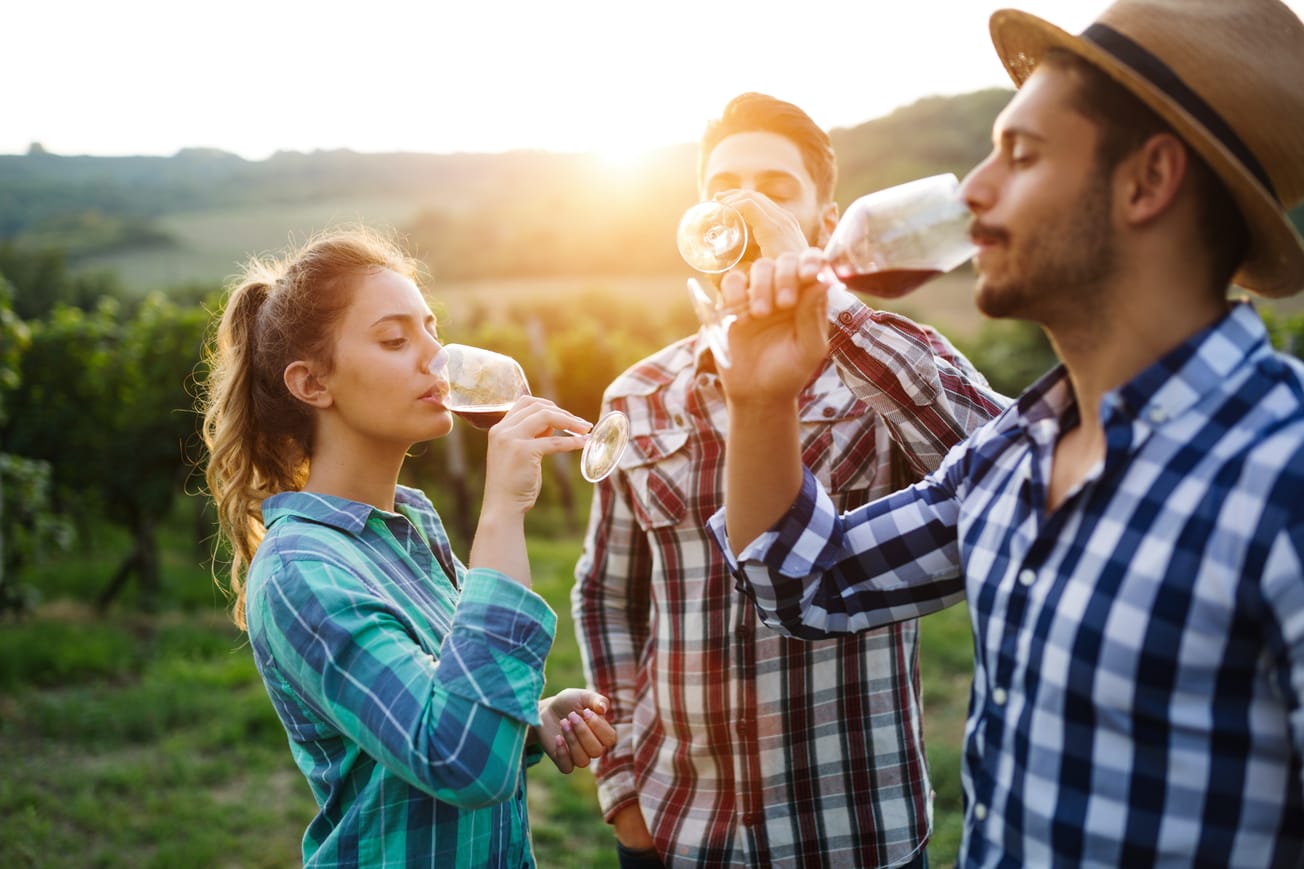
Learning about wine and sharing both your wines and your wine knowledge is a behavior, a demeanor, a lifestyle that highlights your existence.
People thought the discovery of fermentation and winemaking was at least six thousand years old, but in my book, Wine: The Source of Civilization, I showed through extensive archeological researched articles that wine, possibly starting in the Republic of Georgia in the Caucasus Mountains, was being made by our Stone Age ancestors over nine thousand, not six thousand years ago. They, like us, were seeking a refined manner of living and wanted to live a better lifestyle. Wine was what ended our hunter-gather existence and growing grapes gave us a reason to settle in one location to build villages, cities, then civilizations.
Centuries passed. Wine became a necessary food item. Wine was one of the first items ever traded. It was a sanitary drink unlike the stagnant water all around them. Even today when we travel to certain remote places, we’re told, “Don’t drink the water.” The Greeks and Romans refined wine and traded it for tin to make bronze, procure grains, and papayas with hemp-based paper. All the ancient cultures quickly learned that wine drinkers were healthier, and they lived longer. After the Middle Ages, wine became synonymous with refined dining and a more sophisticated lifestyle.

During the 1600’s, the British taught the Portuguese to add brandy to their red wine designing today’s Ports, and encouraged that Madeira be made in a style to age for decades. The British also helped design Spain’s Cream Sherries and while wanting these sweeter drinks that help battle England’s colder, wetter winters, they also encouraged the French to make dry Bordeaux to enhance their food and sought dry tasting Champagne instead of the sweet bubbly drink that was being bought mostly by the Russians.
In our modern era, six concepts affect our educated lifestyles: avoidance of high-risk behaviors, social activities, medical awareness, mental stimulation, physical activity, and diet (which includes learning about, and consuming quality wines with our main meals). “Wine is food. It’s the liquid part of the meal,” is a slogan I’ve been singing for over fifty years. I hope you’ll listen to some of these wine songs in future editions of this journal.
Over the past few years, “New Jersey Lifestyle Magazine” has provided many excellent articles about what wines are available in the state and especially in our local areas. Good articles talked about how some wines were made and what wines might pair nicely with certain foods. If you paid attention, you learned about improving your lifestyle. An ideal wine, especially when shared can quickly change an ordinary everyday lifestyle into one of glamorous events and luxurious living. The more you know about anything: art, music, dance, theater, grand prix racing, jazz, cooking; well, everything that enhances your life, the better you will enjoy those things. They say knowledge is power, but knowledge also provides greater pleasure.
When you share what you know about fashion, opera, or African safaris, you and the person with whom you share your knowledge, will gather more pleasure and enjoy every one of those things even more than usual. Remember, as you learn more about wine you should share that awareness with your friends.
Start your own tasting group; meet once a month or every other month and sit, savor, and discuss the bottle you brought to share with your friends. Each person does the same.

You learn so much more when tasting more than one wine at a time. Comparison is why people date. The world of wine is limitless. The Republic of Georgia has over 500 indigenous grapes; you can find wines made from their Saperavi or Rkatsiteli grapes in New York and New Jersey. Try them. Italy has 2,000 indigenous grapes with over 400 in commercial production. Local wine shops will have wines made from Arneis or Aglianico grapes. The last time I attended Vin Italy, the enormous annual Wine Fair in Verona, Italy, they opened over 32,000 different bottles during the exhibition; I got to sip and take some notes on just over nine hundred during the four days of the event. Knowing what you don’t know is always the first great step into opening the door of knowledge no matter what the field or topic.
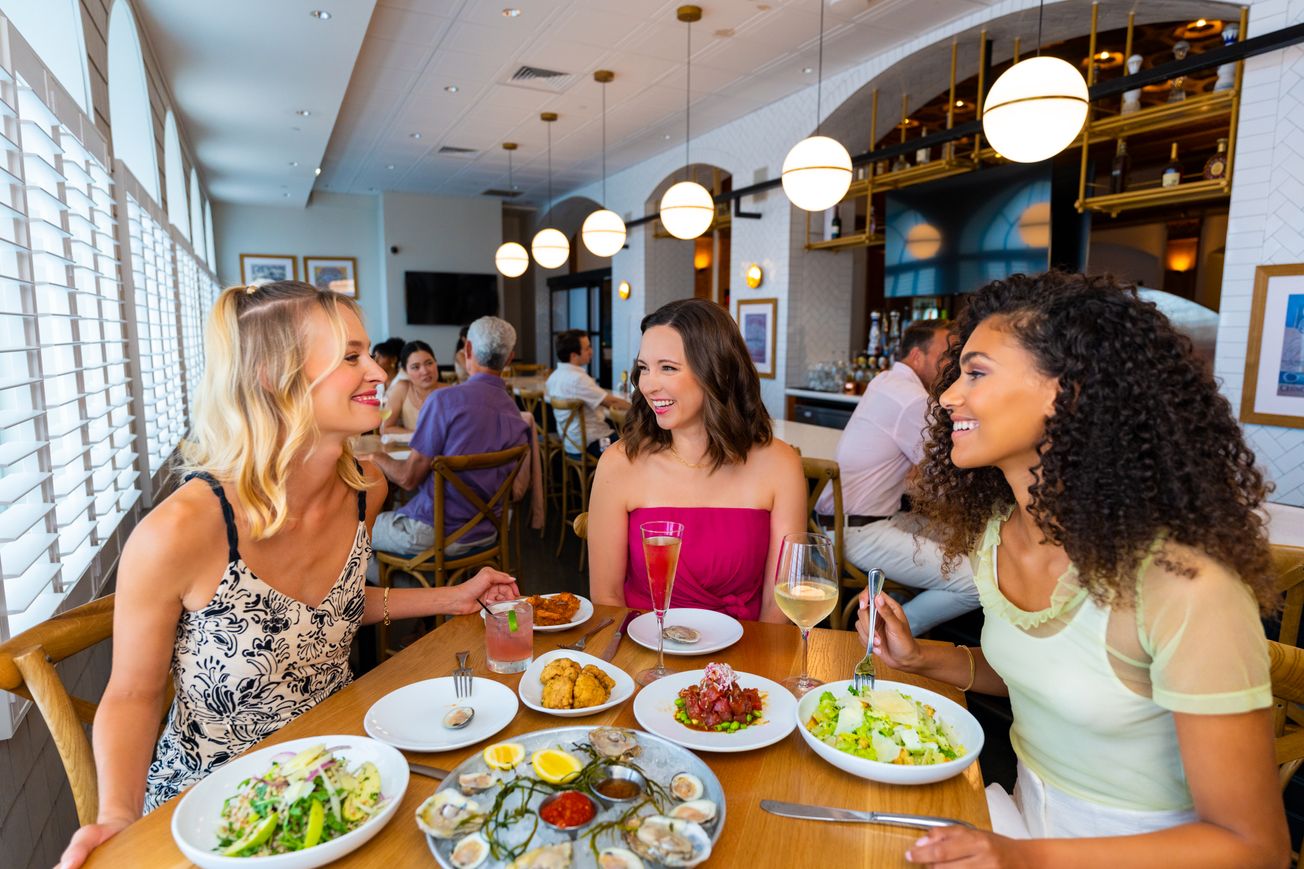
Attend charity wine tastings. Take more than one type of wine to New Jersey’s great BYOB restaurants; you don’t have to finish the entire bottle; recork and retaste them the following day. (Remember to carry your opened bottles home in your trunk) Ask for or carry an extra wine glass and pour both wines at once. Sample each wine with every food item on your dish.
Follow this suggestion and you will become a wine intellectual in no time at all and your lifestyle will be forever improved. In Vino Veritas.